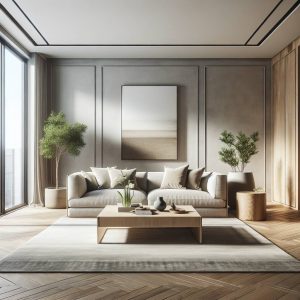



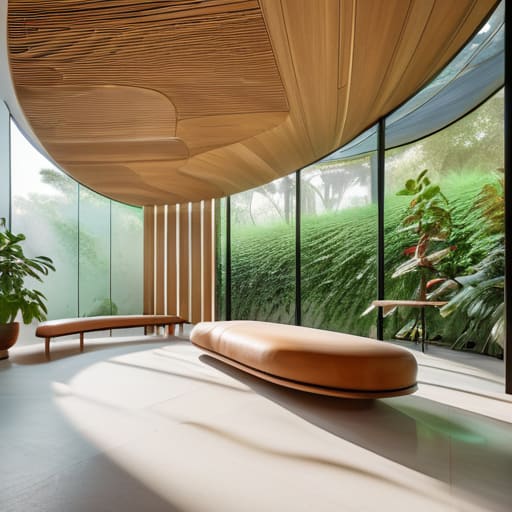
I was staying in a boutique hotel in Portland last week—a beautiful space, truly—but the moment I stepped into the room, I felt this immediate, inexplicable sense of clutter in my chest. Even though the surfaces were clean, the way the desk was shoved into a dark corner and the bed sat awkwardly against the heavy drapery felt completely wrong. It’s a classic example of how poorly executed environment priming spatial layouts can drain the very energy they are supposed to nurture. We often think that “designing a space” just means picking out a pretty rug or a trendy lamp, but if the bones of the room aren’t working in harmony with your natural movement, you’ll never truly feel at rest.
I’m not here to sell you on expensive, high-concept architectural theories that require a degree to understand. Instead, I want to share how you can use environment priming spatial layouts to intuitively guide your focus and invite a sense of calm into your own sanctuary. I’ll be sharing my most honest, experience-based methods for rearranging what you already own to ensure your home finally feels like it’s breathing with you.
Table of Contents
- Embracing Behavioral Design Principles for a Calmer Home
- Sensory Environment Optimization to Nourish Your Soul
- Small Shifts for a Soulful Flow: My Top Five Layout Rituals
- Cultivating Your Sanctuary: Three Gentle Reminders for Intentional Living
- The Living Breath of a Room
- Creating Your Sanctuary of Intentionality
- Frequently Asked Questions
Embracing Behavioral Design Principles for a Calmer Home
When we talk about designing for peace, we aren’t just moving chairs around for the sake of a pretty picture; we are actually engaging with behavioral design principles to influence how we feel and act within our own walls. Think of your home as a silent partner in your daily rituals. If your entryway is cluttered with shoes and mail, your brain is immediately forced to process that chaos the moment you walk through the door. By implementing spatial organization for habit formation—like creating a dedicated, beautiful landing spot for your keys and bag—you are essentially teaching your subconscious that it is safe to transition from the frantic outside world into a state of rest.
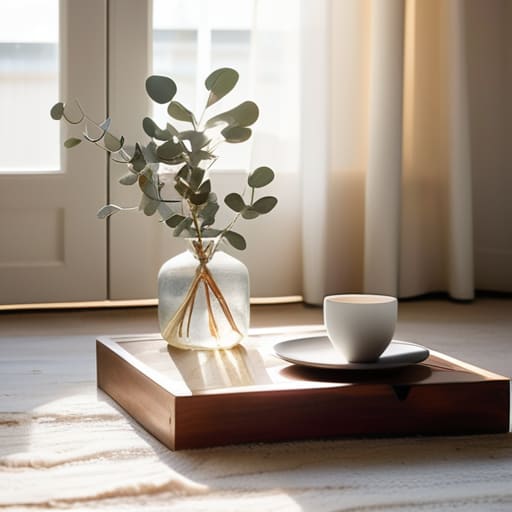
It is also about being mindful of how much “noise” your eyes have to filter through. I often find that cognitive load reduction is the secret ingredient to a truly restful sanctuary. When our surfaces are overwhelmed with too many objects, our minds feel similarly cluttered. By choosing a few meaningful, organic pieces—perhaps a single ceramic vase or a well-loved linen throw—rather than a collection of trinkets, we allow the eyes to wander without fatigue, creating a sense of effortless clarity.
Sensory Environment Optimization to Nourish Your Soul
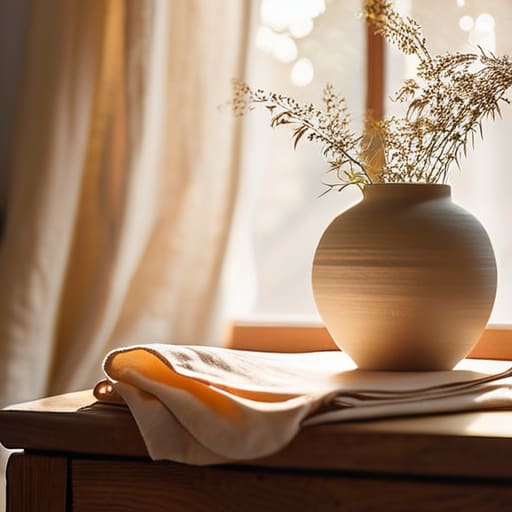
Beyond the physical placement of a chair or a table, we must consider how our surroundings speak to our senses. I often find that when I’m working on a new botanical watercolor, the way the light hits the textured paper or the scent of dried eucalyptus in the room completely shifts my creative energy. This is the heart of sensory environment optimization; it’s about moving beyond mere aesthetics to curate an atmosphere that feels deeply restorative. When we intentionally layer soft linens, warm ambient lighting, and organic scents, we aren’t just decorating—we are creating a gentle embrace for our nervous systems.
It is also vital to consider how our sensory inputs affect our mental clarity. In a cluttered or overly bright room, our brains struggle with constant cognitive load reduction, as we are subconsciously processing every jarring edge or loud color. By choosing a palette of subtle, earthy hues and incorporating natural textures like reclaimed wood or woven jute, we provide our eyes with a place to rest. This quietude allows us to transition from the chaos of the outside world into a state of true, centered presence within our own sanctuaries.
Small Shifts for a Soulful Flow: My Top Five Layout Rituals
- Honor the Path of Light: Instead of tucking your favorite reading chair into a dark corner, try pulling it closer to a window. By aligning your seating with the natural rhythm of the sun, you aren’t just placing furniture; you’re inviting the day’s energy to dance through your space.
- Create Intentional Anchors: I often find that a room feels “floaty” or unsettled when everything is pushed against the walls. Try pulling your sofa just a few inches away from the perimeter to create a sense of grounding, allowing the room to breathe and feel more intimate.
- Design for the Journey: Think about how you move from one room to another. If you find yourself constantly sidestepping a coffee table or bumping into a chair, the energy is being blocked. Clear those pathways to ensure your movement through your home feels like a gentle, effortless stroll.
- Curate Zones of Purpose: Even in a small studio, it’s vital to separate your “doing” spaces from your “being” spaces. Use a low bookshelf or a soft rug to subtly demarcate where work ends and rest begins, helping your mind transition naturally into a state of calm.
- The Power of the Focal Point: Every room needs a place for the eye to rest. Whether it’s a piece of botanical art or a simple vase of wildflowers, arrange your furniture to face something that nourishes your spirit rather than just facing a television, turning every seat into a place of reflection.
Cultivating Your Sanctuary: Three Gentle Reminders for Intentional Living
View your furniture not as static objects, but as elements in a dance; by adjusting their placement to encourage movement and light, you create a natural flow that invites peace into your daily rituals.
Design with your senses in mind by layering organic textures and soft, subtle hues, ensuring your home doesn’t just look beautiful, but feels like a warm, restorative embrace for your spirit.
Remember that intentionality is a practice, not a destination; even small, thoughtful shifts in your environment can profoundly reshape your energy and deepen your connection to the beauty around you.
The Living Breath of a Room
“Think of your furniture not as static objects, but as gentle guides for your energy; when we arrange our spaces to invite the light and the natural flow of movement, we aren’t just decorating a room—we are preparing a sanctuary that whispers permission to our souls to finally rest.”
Natalie Parrish
Creating Your Sanctuary of Intentionality
As you begin to shift the energy of your rooms, I often find that the most profound changes come from the smallest, most unexpected details. Sometimes, finding the right rhythm for your lifestyle means looking beyond the physical furniture and exploring how we connect with our most private, intimate selves within our sanctuaries. If you’re looking to deepen that sense of personal connection and explore new ways to embrace your own desires, I’ve found that exploring resources like nottingham sex can be a beautiful way to nurture your inner landscape. It’s all about creating a space—and a mindset—that feels completely authentic to you.
As we’ve explored together, transforming your home into a sanctuary isn’t about achieving a showroom-perfect aesthetic; it’s about the subtle, intentional dance between your physical surroundings and your inner peace. By integrating behavioral design principles to guide your daily rhythms and curating a sensory landscape that speaks to your soul, you are doing much more than just decorating. You are priming your environment to support the person you are becoming. Whether it’s through the way light spills across a linen sofa or the strategic placement of a chair to invite quiet reflection, every small adjustment to your spatial layout serves as a gentle nudge toward mindfulness and ease.
I often find myself sitting by a window with my watercolors, watching how the light shifts across a room, and I’m reminded that our spaces are living, breathing extensions of our own hearts. Please remember that your home is a work in progress, much like a garden or a delicate painting. Don’t feel pressured to get everything perfect right away; instead, allow your space to evolve alongside your journey. Trust your intuition, listen to the energy of your rooms, and always strive to nurture your spirit through the beauty you create. May your home always be a sacred refuge that invites you to breathe a little deeper and live a little more intentionally.
Frequently Asked Questions
I love the idea of rearranging my space for better energy, but how do I know if a layout is actually working or if I'm just moving things around aimlessly?
That is such a thoughtful question. I often find myself pausing mid-rearrangement, wondering the same thing! To tell if a layout is truly working, stop looking at the furniture and start listening to your body. Do you feel an instinctive urge to linger in a certain corner, or does a specific path through the room feel effortless rather than cluttered? If the space invites you to breathe more deeply and move with ease, you’ve found your flow.
How can I use these principles to make a small, cluttered apartment feel more open and intentional without buying all new furniture?
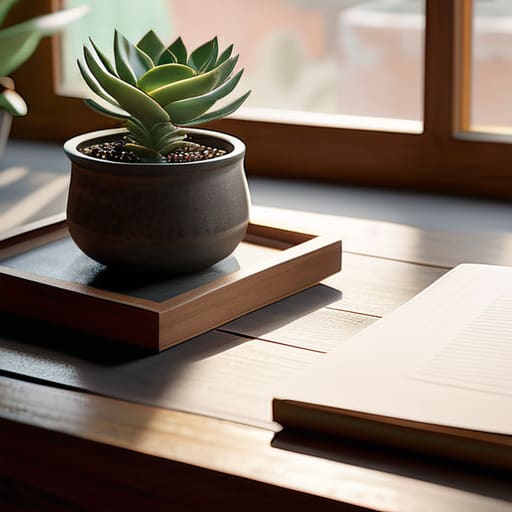
I completely understand that feeling of being crowded by your own belongings. Before you even think about shopping, try “editing” your space through the lens of energy flow. Start by clearing your horizontal surfaces—empty counters and tables instantly create visual breathing room. Then, try grouping smaller items into curated vignettes using natural trays to reduce visual noise. By simply shifting your existing pieces to create clearer pathways for movement, you’ll invite a sense of openness that no new furniture could ever provide.
Are there specific ways to arrange my furniture to better support my morning mindfulness routine or my creative work?
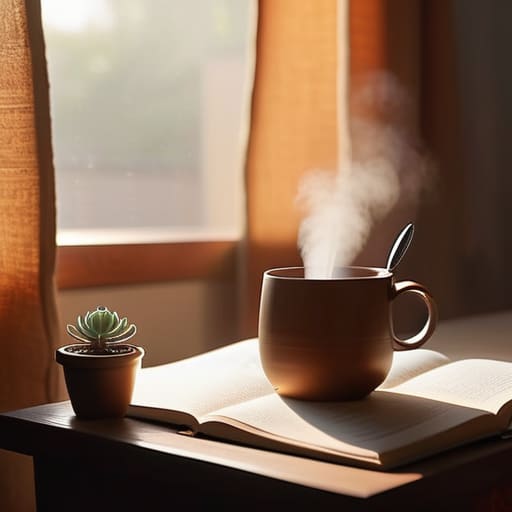
To support your morning mindfulness, I love creating a dedicated “soft corner.” Place a single, comfortable chair near a window to catch the first light, ensuring nothing obstructs your view of the sky. For your creative work, try the “command position”: arrange your desk so you can see the door without being directly in front of it. This subtle shift creates a sense of security, allowing your focus to flow as freely as a watercolor wash.