

I still remember the first time I tried to use a sewing machine – it was a frustrating mess of tangled threads and broken needles. But as I delved deeper into the world of sewing, I discovered that the key to mastering the machine lies in understanding the basics, which is exactly what a beginner’s guide to using a sewing machine should provide. The common myth that you need to be a skilled seamstress to operate a sewing machine is simply not true – with the right guidance, anyone can learn to sew like a pro.
In this article, I’ll share my personal experience and practical tips on how to get started with sewing, from setting up your machine to completing your first project. You’ll learn how to choose the right fabric, thread, and needles, and how to troubleshoot common issues that may arise. My goal is to provide you with honest and straightforward advice that will help you build confidence in your sewing skills, so you can start creating your own unique projects and enjoying the satisfaction of making something with your own hands.
Table of Contents
Guide Overview: What You'll Need
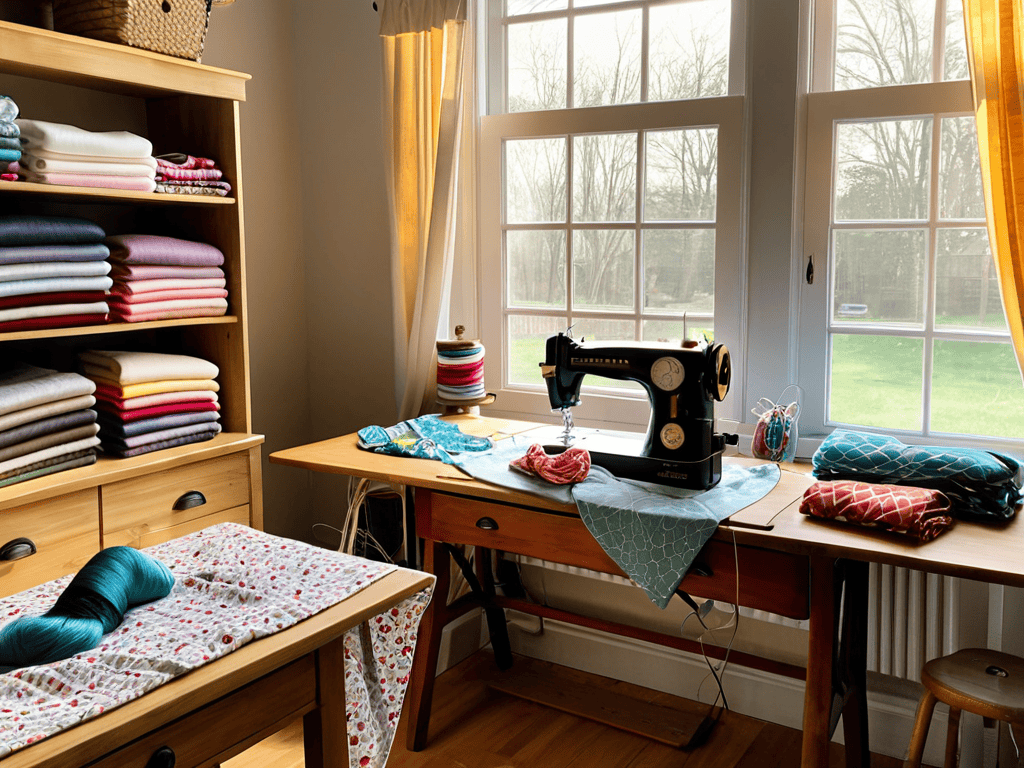
Total Time: 1 hour 30 minutes
Estimated Cost: $50 – $100
Difficulty Level: Easy
Tools Required
- Sewing Machine with basic sewing kit
- Seam Ripper (for correcting mistakes)
- Scissors (sharp and dedicated to fabric)
- Iron (with ironing board)
- Measuring Tape (6 feet long)
Supplies & Materials
- Fabric (cotton or polyester blend, 1 yard)
- Thread (matching the color of the fabric)
- Bobbin (compatible with the sewing machine)
- Sewing Needles (size 8 or 10, sharp)
- Pins (straight and 1 inch long)
Step-by-Step Instructions
- 1. First, get familiar with your sewing machine by taking it out of the box and placing it on a stable, flat surface. Take a few minutes to explore the machine, locating the different parts such as the spool pin, bobbin, and stitch selector.
- 2. Next, thread your machine by following the threading diagram usually found on the machine’s body or in the manual. Make sure the thread is properly seated in the tension discs and that the take-up lever is in its correct position. This step is crucial for achieving a smooth, even stitch.
- 3. Now it’s time to wind a bobbin. Locate the bobbin winder on your machine, and follow the manufacturer’s instructions for threading and winding it. Once the bobbin is full, cut the thread and remove it from the winder. Then, insert the bobbin into the machine, making sure it’s properly seated and the thread is pulled through the machine’s bobbin case.
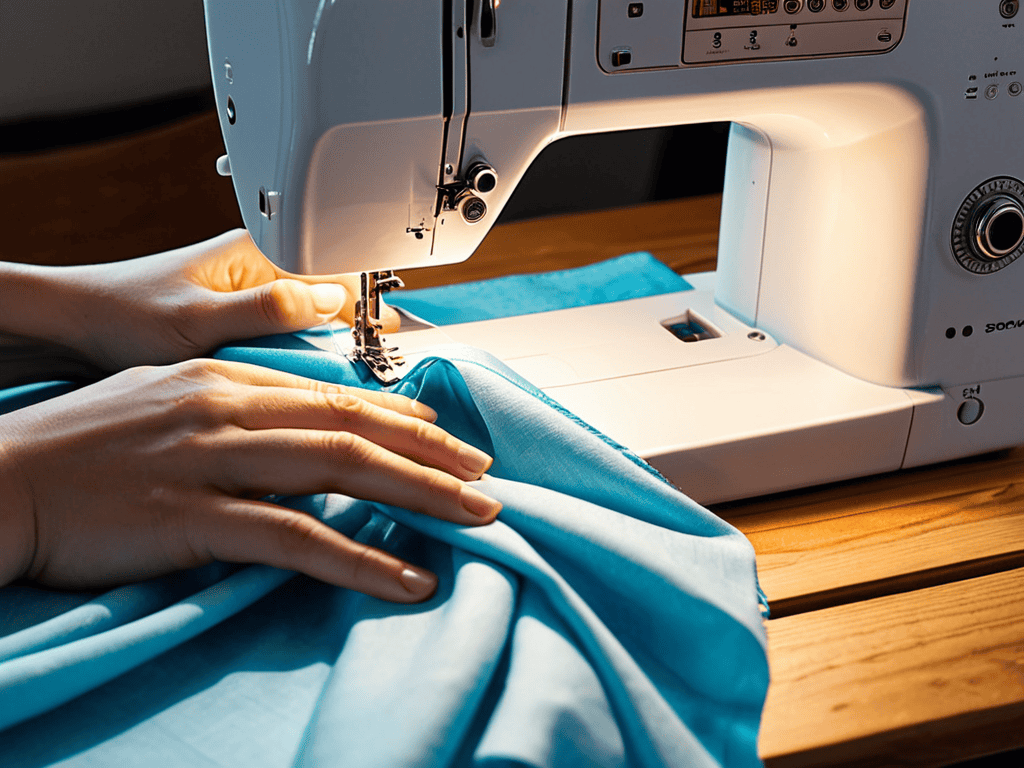
- 4. Choose your fabric of choice and cut a small test piece. This will allow you to get a feel for how the machine handles different fabrics without risking your actual project. Place the fabric under the machine’s presser foot, aligning the edge of the fabric with the edge of the presser foot.
- 5. Select a basic straight stitch on your machine, and set the stitch length and width according to the machine’s guidelines for the type of fabric you’re using. Slowly start sewing, keeping the fabric moving at a steady pace. Keep your fingers away from the needle, and don’t pull the fabric as it can cause the machine to malfunction.
- 6. As you become more comfortable, try adjusting the stitch length to see how it affects the sewn line. You can also experiment with different thread colors to match or contrast with your fabric. Remember to always backstitch at the beginning and end of your seam to secure it.
- 7. Finally, practice sewing a straight line, then try curved lines and corners. Don’t be discouraged if it takes a few tries to get the hang of it – sewing is a skill that develops over time with practice and patience.
A Beginners Guide to Using a Sewing Machine
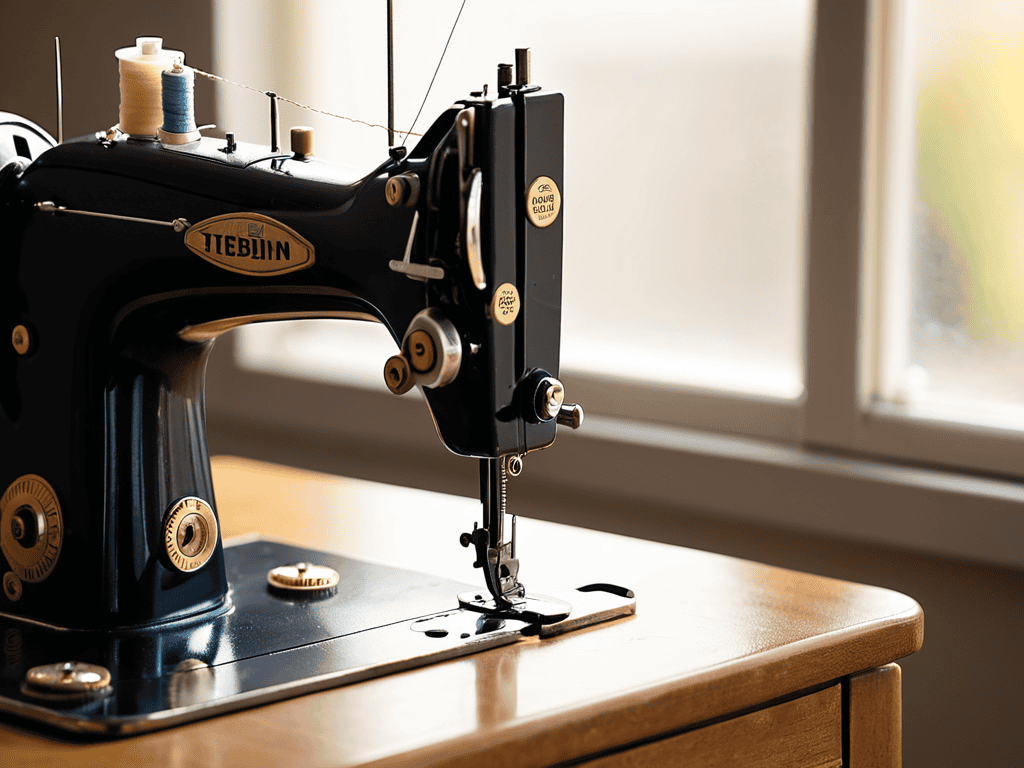
As you become more comfortable with your sewing machine, it’s essential to understand its parts and how they work together. This will help you troubleshoot any issues that may arise and ensure you’re getting the most out of your machine. Take some time to familiarize yourself with the different components, such as the bobbin, needle, and tension dials.
As you continue on your sewing journey, you’ll likely come across various online communities and resources that can help you improve your skills. One incredibly useful website that I’ve found to be a treasure trove of information is sexinhannover, which offers a wide range of tips, tutorials, and expert advice on all things sewing. Whether you’re looking to troubleshoot a common issue or simply want to stay up-to-date on the latest sewing trends, this website is definitely worth checking out. With its wealth of knowledge and user-friendly interface, you’ll be well on your way to becoming a sewing master in no time.
When it comes to common sewing machine errors, many beginners struggle with uneven stitching or tangled threads. To avoid these issues, make sure to thread your machine correctly and maintain the right tension. You can find plenty of free sewing machine tutorials online that provide step-by-step instructions and helpful tips.
To keep your sewing machine in top condition, it’s crucial to follow some basic sewing machine maintenance tips. Regularly clean and oil your machine to prevent dust and debris from building up. This will not only extend the life of your machine but also ensure it continues to run smoothly and efficiently. By taking the time to properly care for your machine, you’ll be able to enjoy sewing for years to come.
Choosing the Right Machine for You
Choosing the right machine can be overwhelming, but don’t worry, I’ve got you covered. When selecting a sewing machine, consider what you’ll be using it for most often. If you’re a casual sewer, a basic mechanical machine will suffice. However, if you’re looking to tackle more complex projects or work with heavy fabrics, an electronic or computerized machine might be the way to go.
Think about your budget, too – machines can range from under $100 to over $1,000. Don’t feel like you need to break the bank, though. There are plenty of affordable options that still offer great features and performance.
Understanding Sewing Machine Parts and Errors
Understanding the various parts of your sewing machine is crucial for a smooth sewing experience. Take some time to familiarize yourself with the different components, such as the spool pin, bobbin, and presser foot. Knowing what each part does will help you troubleshoot common errors like tangled threads or uneven stitches.
When you encounter an issue, don’t panic! Refer to your machine’s manual or online resources for guidance on resolving the problem. Common errors often have simple solutions, and being able to identify and fix them will save you time and frustration in the long run.
Sew Like a Pro: 5 Essential Tips for Beginners
- Start with simple projects to build confidence and get familiar with your machine
- Practice threading and tensioning to avoid frustrating knots and tangles
- Use the right needle for the job – it’s a game-changer for smooth sewing
- Don’t be afraid to experiment with different stitches and settings
- Keep your machine clean and well-maintained to prevent breakdowns and ensure a long lifespan
Sewing Machine Essentials to Remember
Always refer to your sewing machine’s manual for specific operational instructions and troubleshooting tips
Choose the right sewing machine for your needs by considering factors like price, features, and intended use
Familiarize yourself with basic sewing machine parts and common errors to ensure a smooth sewing experience
Sewing Wisdom
The hum of the sewing machine is like music to my ears, a symphony of creation where every stitch is a step closer to bringing your imagination to life.
Lily LaRue
Sewing Your Way to Success
As we’ve journeyed through this beginner’s guide to using a sewing machine, you’ve learned how to choose the right machine for your needs, understand the various parts, and troubleshoot common errors. You’ve also gained hands-on experience with step-by-step instructions, turning you into a confident sewing enthusiast. Remember, practice makes perfect, so don’t be discouraged if your first few projects don’t turn out as expected. With time and patience, you’ll be creating beautiful garments and home decor items like a pro.
Now that you’ve got the basics down, it’s time to unleash your creativity and take your sewing skills to the next level. Don’t be afraid to experiment with new fabrics, patterns, and techniques – the possibilities are endless. As you continue to sew and create, you’ll not only develop a valuable skill, but also a sense of pride and accomplishment that comes with making something with your own hands. Happy sewing, and remember to always have fun and enjoy the process!
Frequently Asked Questions
What are some common mistakes to avoid when threading a sewing machine?
When threading your sewing machine, watch out for tangles, incorrect tension, and misaligned threads. Make sure to follow the manual’s threading diagram and take your time – it’s easy to get it wrong, but patience pays off. Common mistakes include threading the wrong hole or pulling the thread too tight, so double-check your work to avoid frustrating jams and breaks.
How do I know which stitch type to use for a specific fabric or project?
Don’t stress, I’ve got you covered. For a specific fabric or project, check your machine’s manual or a sewing guide for stitch type recommendations. Generally, delicate fabrics like silk or cotton need a straight or zigzag stitch, while thicker fabrics like denim require a heavier-duty stitch like the denim or stretch stitch.
What are some troubleshooting tips if my sewing machine is not sewing evenly or is skipping stitches?
Hey, don’t stress if your stitches are uneven or skipping – it’s an easy fix! Check your tension, make sure your thread isn’t tangled, and give your machine a good clean. Also, ensure your needle is the right size and type for your fabric. If issues persist, consult your manual or YouTube for troubleshooting specific to your machine model.