

I used to think keyboards were just keyboards. I mean, I spent years hammering away on those flimsy, plastic excuses for a typing device, convinced that all the finger fatigue and typos were just part of the grind. But oh, how wrong I was. It took a coffee-fueled midnight rabbit hole—thank you, insomnia—for me to stumble upon the world of mechanical keyboards. And let me tell you, it was like discovering that your favorite band had a secret album all along. Suddenly, I realized I’ve been living in a world of beige mediocrity, missing out on the symphony of clicks and clacks that only mechanical keys can orchestrate.
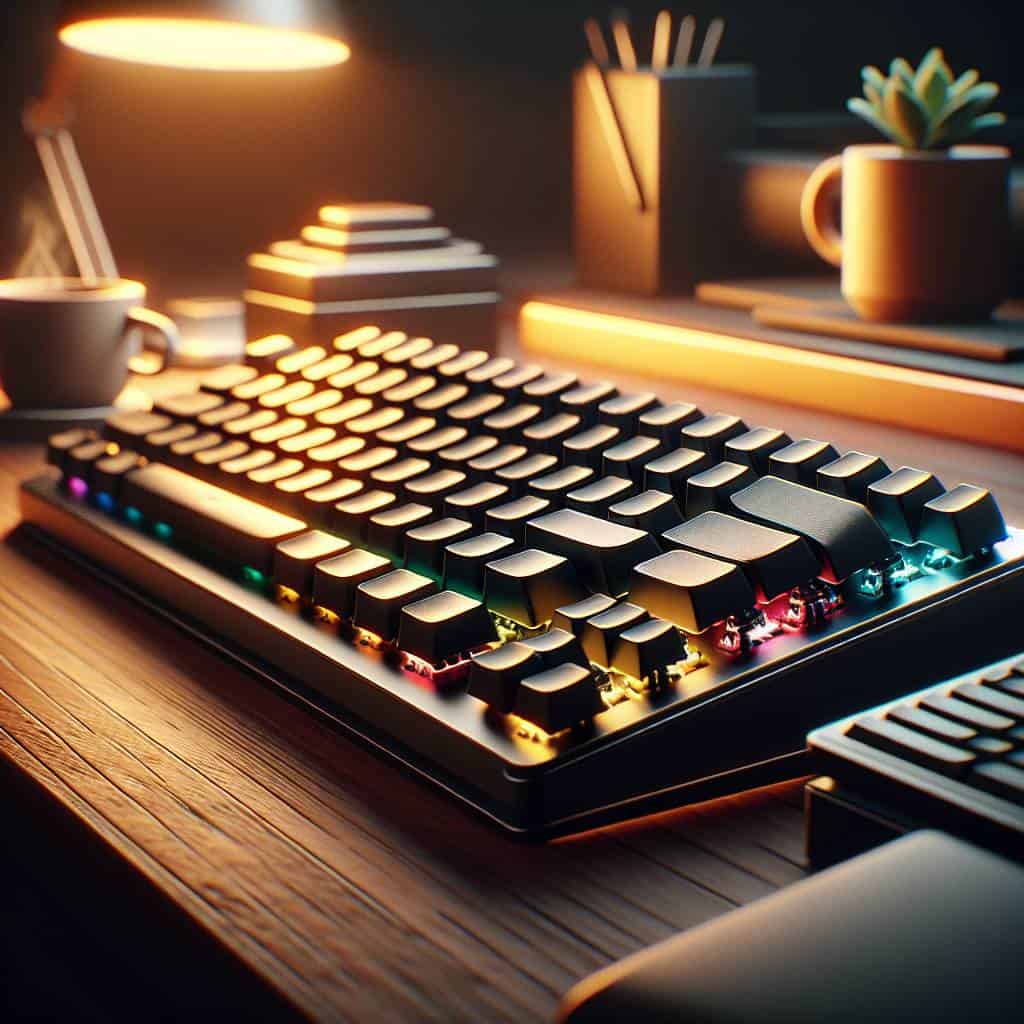
So here we are. You’re probably wondering what all the fuss is about and why you should care about something as mundane as a keyboard. Well, buckle up. This isn’t just a snooze-fest introduction to mechanical keyboards. I’m going to slice through the marketing nonsense and get to the heart of why they can transform your typing experience from a daily chore into an almost spiritual practice. We’ll dive into the fine art of key switches, the tactile feedback that makes your fingers sing, and why your current keyboard might be the biggest hurdle to your productivity. Prepare to have your typing life revolutionized.
Table of Contents
How a Tiny Keyboard Changed My Typing Experience Forever
Imagine sitting at your desk, pounding away on a keyboard that feels more like a relic from the Stone Age than a tool for the modern world. That was my life, day in and day out, until one tiny keyboard stormed in and flipped the script. Enter the 60% mechanical keyboard—a minimalist marvel that made me question everything I thought I knew about typing. This little beast sliced through my daily grind like a hot knife through butter. Suddenly, typing felt less like a chore and more like an art form.
Why did this compact wonder change everything? For starters, it’s all about the switches. No more mushy membranes that swallow your fingers whole. We’re talking crisp, tactile feedback with every keystroke, like tiny affirmations that you’re on the right path. And the sound—oh, the sound. Each click is a symphony of productivity, a soundtrack that fuels the fire of creativity and focus. The compact form factor means I’m no longer sprawling across my desk like a maniac, hunting for keys I never use. It forces you to streamline, to focus, to become one with the machine.
But here’s the kicker—it’s not just about the typing. It’s about taking back control from the tyranny of the full-sized keyboard. The tiny keyboard demands attention, precision, and a willingness to adapt. It’s a rebellion against the mundane, a declaration that you refuse to be shackled by the ordinary. In the world of mechanical keyboards, size doesn’t mean compromise. It means liberation. And for me, it was the key to unlocking a typing experience I never knew I was missing.
The Cold Truth of Tactile Bliss
In a world where our fingers are trapped on lifeless plastic, mechanical keyboards are the rebellion we never knew we needed.
The Keyboard Cult: My Final Reckoning
So here I stand, a convert in the cult of the mechanical keyboard. It’s not just about the clack of the keys or the satisfying resistance beneath my fingers. It’s about the unapologetic commitment to quality and the refusal to settle for mediocrity. You see, a mechanical keyboard isn’t just a tool—it’s a statement. It’s a middle finger to the cheap, plasticky nonsense that clutters our lives. It’s a demand for something better, something real.
And maybe that’s what this whole journey was really about: finding authenticity in a world drowning in the superficial. I traded in a piece of my soul for every syrupy promise the mainstream sold me. But not anymore. I’ve claimed a little corner of truth, one keystroke at a time. Maybe it’s time you did too. Ditch the lies, embrace the click, and let’s type like we mean it.