



I remember the day I tried Apple Pay for the first time. It felt like a scene from a sci-fi movie — except instead of feeling like a futuristic genius, I was just another tech pawn fumbling with my phone at the checkout. There I was, awkwardly waving my device, trying to look like I knew what I was doing while the cashier raised an eyebrow. I couldn’t help but think: is this really the future? We’ve gone from leather-bound wallets to digital dependencies, and I can’t decide if it’s progress or just a new leash.
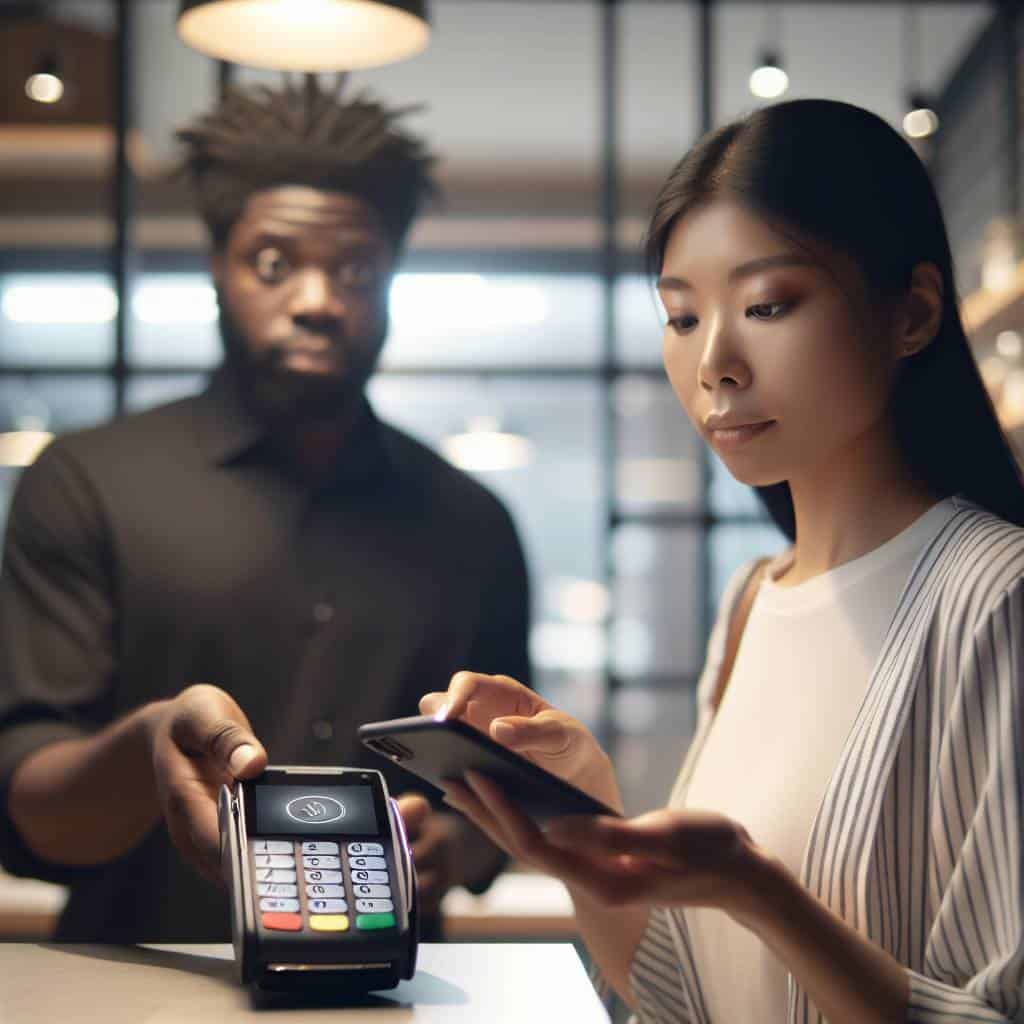
So, here we are, diving headfirst into the world of digital wallets. But before you throw your leather wallet into the tech abyss, let’s unpack what this digital shift means. Spoiler: it’s not all sunshine and rainbows. We’ll dig into the supposed convenience and security of letting Apple and Google guard your financial life. Trust me, there’s more beneath the surface than sleek interfaces and touchless payments.
Table of Contents
From Pockets to Pixels: How Convenience Became My Best Friend and Worst Enemy
I remember when my wallet was a simple leather affair, tucked snugly in my pocket, holding cash, cards, and the occasional receipt. It had weight, substance. Fast forward to now, and that once tangible chunk of my life has been replaced by pixels. Apple Pay, Google Wallet—these digital marvels slipped into my life with the promise of convenience, and boy, did they deliver. With a tap, a swipe, a facial scan, I could pay for my overpriced latte without fumbling for change. My pockets felt lighter, and my transactions smoother. It felt like magic, until I realized what I’d traded for this sorcery.
Here’s the thing: convenience came with a price. Trusting my finances to the tech giants meant surrendering more than just my physical wallet—it meant handing over data, privacy, and autonomy. Those digital wallets are a double-edged sword. They remember everything, from my impulsive midnight snack purchases to my attempt at budgeting apps that inevitably remind me of my financial misadventures. Sure, they offer security with encryption and biometric locks, but isn’t it ironic that the same companies promising to protect my data are the ones mining it? It’s like living in a glass house and hoping no one notices when you’re dancing in your underwear.
And let’s not forget the subtle tyranny of convenience. It’s insidious. Every quick transaction nudges me further into a dependency cycle—one where digital ease makes me complacent, less likely to scrutinize the creeping encroachment on my liberties. I’m grateful for the ease, but wary of the chains disguised as progress. Convenience, my old friend, you’ve made life simpler, but you’ve also become the sneaky enemy I never saw coming.
The Digital Wallet Dilemma
Handing over your financial details to Apple Pay and Google Wallet is like inviting Big Brother to dinner and asking him to stay for dessert.
Digital Convenience: A Double-Edged Sword
Embracing digital wallets has been like inviting a cunning fox into my henhouse, offering the illusion of security while quietly nibbling away at my privacy. Apple Pay and Google Wallet promise a seamless world where transactions are as simple as a flick of a wrist. But let’s not kid ourselves — that convenience comes at a price. I’m trading my personal data for the luxury of not carrying around a physical wallet. Every tap, every swipe is another breadcrumb leading straight to the core of who I am.
Yet here I stand, still using them. Maybe it’s the allure of technology’s siren song, or maybe it’s because, deep down, the convenience is just too seductive to resist. I find myself in this gray area, questioning the balance between ease and exposure. It’s a love-hate relationship with a digital age that promises everything while quietly taking more than it gives. And maybe that’s just the way of the future — a constant negotiation between the allure of the new and the comfort of the known.