



I’ve got a confession: My first brush with “smart” home security was less of a high-tech revelation and more of a comedy of errors. Picture this: me, standing in my living room, shouting at a voice assistant that stubbornly insists my porch is being invaded by a particularly menacing cat. Yes, the cutting-edge motion sensor that was supposed to be my digital watchdog had been duped by a stray feline. It’s the kind of irony that makes you question if the term “smart” is just a clever marketing ploy. Turns out, the only thing it was guarding with any real fervor was the neighbor’s tabby.
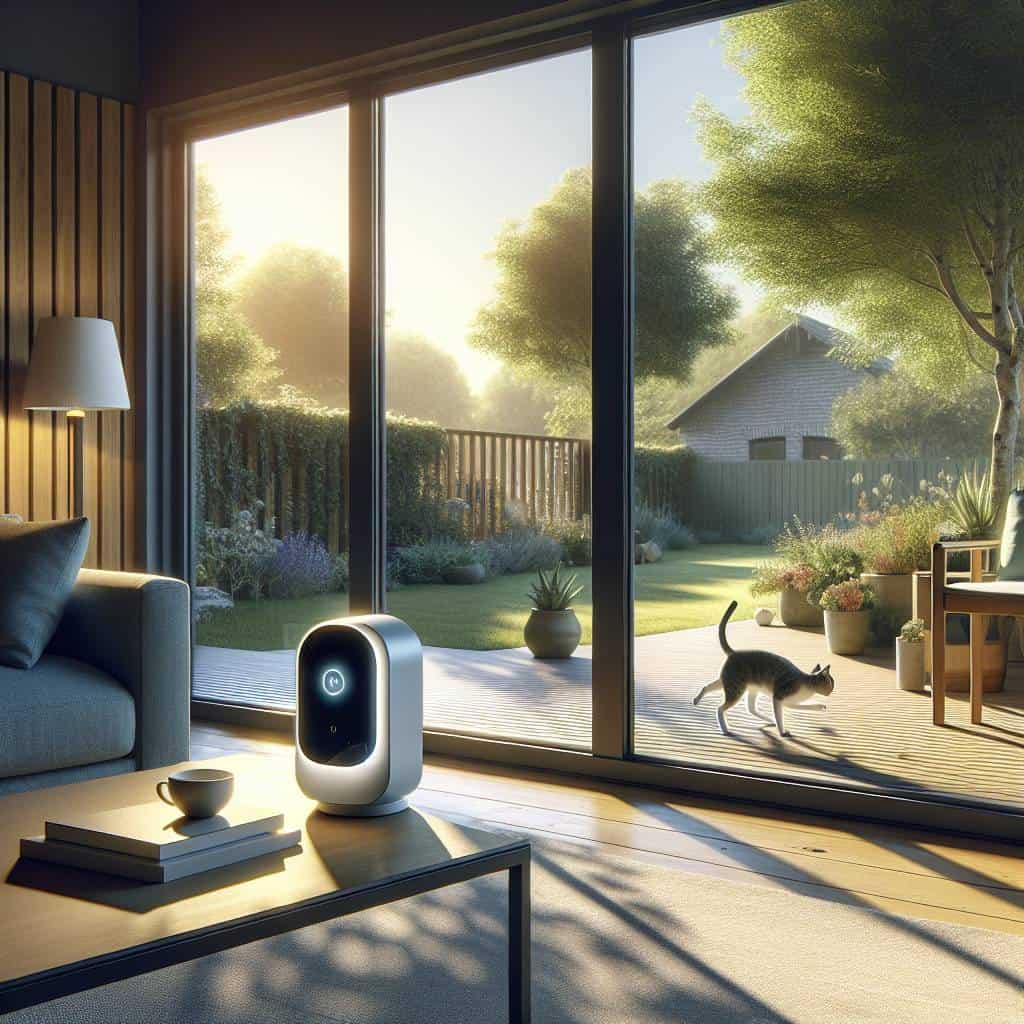
But here’s the kicker: despite the initial hiccups, there’s a whole world of DIY systems out there—like SimpliSafe and Ring—that promise to do more than just alert you to the neighborhood wildlife. So, let’s cut through the nonsense and get to the heart of it. In this article, I’ll guide you through the maze of smart home security, pointing out the pitfalls and highlighting the gems. No fluff, just raw, unfiltered insights to help you decide if these systems are more than just fancy gadgets with a superiority complex.
Table of Contents
The Time I Almost Let A Robot Protect My Home, But Decided To Go DIY Instead with Some Help from SimpliSafe
So, let me paint you a picture. There I was, standing in my living room, staring at this sleek, overhyped hunk of metal that promised to be the next big thing in home security. The kind of robot that looks like it could double as a barista, whipping up your morning latte while keeping burglars at bay. But here’s the kicker: it cost more than my first car and, honestly, seemed about as effective as a cardboard cutout of a guard dog. I mean, really—who am I kidding? A robot that needs more updates than my smartphone and still can’t tell the difference between a burglar and my neighbor’s cat isn’t exactly what I call security.
That’s when I decided to channel my inner MacGyver and take the DIY route. Enter SimpliSafe, the unsung hero of home security. While the tech giants are busy selling you the future, SimpliSafe quietly offers a reality check. It’s straightforward, no-nonsense, and doesn’t require a degree in engineering to set up. With a little help from SimpliSafe, I cobbled together a system that actually works—without having to remortgage my house. It’s the kind of setup perfect for those of us who appreciate simplicity over showmanship. So now, instead of a glorified toaster guarding my home, I’ve got a system that’s as reliable as it is affordable. Because let’s face it, sometimes the best solutions are the simplest ones, and SimpliSafe nailed it without the fluff.
Home Security: The Brutal Truth
DIY smart home security systems are like putting a bandaid on a bullet wound — they look good, but let’s not pretend they’re invincible. SimpliSafe and Ring might give you alerts, but when push comes to shove, it’s your gut that’ll save you.
When DIY Outsmarts the ‘Smart’ Hype
So here I am, at the end of this little adventure, staring at my SimpliSafe setup and feeling a mix of satisfaction and irony. Because let’s be honest, the big names like Ring promised me a seamless, futuristic fortress at the click of a button. But there’s something inherently satisfying about getting your hands dirty, even if it means admitting that maybe, just maybe, you’re a little smarter than the so-called ‘smart’ tech. Sure, I could have gone the easy route, but where’s the fun in that?
In the end, it’s not about the brand or the buzzwords. It’s about taking control, challenging the status quo, and building something that actually works for you—without the baggage of unnecessary complexity. So, if you’re like me, tired of the glossy ads and the promise of a utopian tech dream, maybe it’s time to roll up your sleeves and embrace the DIY spirit. You might just find that the best security system isn’t the one with the most features, but the one that gives you peace of mind knowing you built it with your own two hands.