



Let’s get real for a second—I used to think that storytelling was just another buzzword tossed around by people who like to hear themselves talk. I remember sitting through a workshop once, where the instructor droned on about “story arcs” and “character development” like it was some kind of secret sauce. I sat there, sipping my overpriced coffee, thinking, “Is this really what people are paying for?” Stories should be like a punch to the gut, not a lullaby that puts you to sleep.
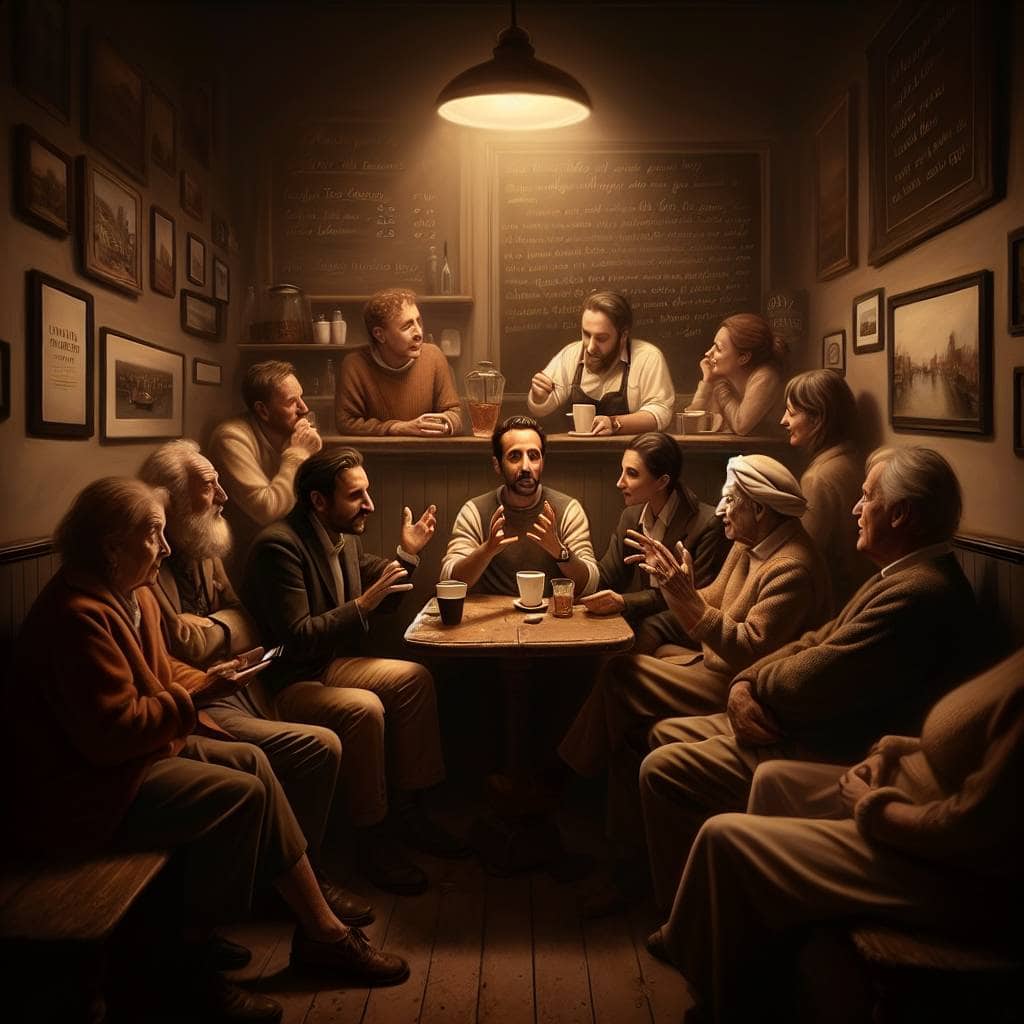
So, here’s the deal. If you’re tired of the same old advice that leaves you with nothing but a headache, stick around. We’re going to strip storytelling down to its bare bones, no frills attached. I’ll give you the tools to make people sit up and actually care about what you have to say. Expect raw tips on how to improve your skills for greater impact, without the fluff that usually comes with it. Ready to shake things up? Let’s dive in.
Table of Contents
How I Accidentally Improved My Storytelling Skills and Made a Greater Impact
So, there I was, minding my own business, with no grand ambition to become the next storytelling wizard. But life has a funny way of throwing curveballs. It all started when I decided to document my daily chaos as a suburban mom. You know, the messes, the meltdowns, and those rare magical moments. My intention? Just to vent. No hidden agenda, no grandiose plans for self-improvement. But something unexpected happened—people started to pay attention. They didn’t just read; they connected. Turns out, the secret wasn’t in the polish but in the raw, unvarnished truth I was dishing out.
As I stumbled along, I realized that the power of storytelling wasn’t in crafting elaborate plots or over-the-top characters. It was in the authenticity of sharing life as it is—messy and beautiful. I ditched the pretense and got real. Instead of trying to tell people what they wanted to hear, I focused on what I needed to say. And surprise, surprise, the more I shed the layers of fluff, the deeper the impact. My stories stopped being about me and started resonating with others. People saw themselves in my chaos, my triumphs, and my failures. It was like my words were a mirror, reflecting their own stories back at them.
So, here’s the kicker. I didn’t set out to improve my storytelling skills. I simply let go of the need to impress and embraced the power of being unapologetically real. The result? A storytelling style that moves people—not with grandiose language but with the simple truth. And isn’t that what storytelling is supposed to do? Make people feel, think, and maybe even see the world a little differently. I accidentally found my voice, and it turns out, that’s all I needed to make a greater impact.
The Art of Making Stories Stick
If you want your story to hit home, forget the frills. Aim straight for the gut and watch how people actually start listening.
The Naked Truth About Storytelling
Here’s the kicker—storytelling isn’t just about stringing words together; it’s about creating a world that grabs people by the collar and doesn’t let go. It’s messy, frustrating, and half the time, I have no idea if I’m making sense or just rambling like a lunatic. But guess what? That’s the beauty of it. It’s raw, it’s real, and it’s unapologetically me. I’ve learned that the secret sauce to impactful storytelling is embracing the chaos and letting my flawed, authentic self shine through.
So, where does that leave us? My storytelling journey is far from over, and neither is yours. I’ve stumbled, I’ve fumbled, but I’ve also had those rare moments when everything clicks and my words actually land. It’s those moments that keep me going. They’re a reminder that, even amidst the uncertainty, there’s power in being genuine. So, here’s my not-so-sage advice: stay true to yourself, ditch the fluff, and never underestimate the impact of your own voice. Because, in the end, that’s what storytelling is all about—making a real connection and leaving a mark.