


I once fell for the air purifier hype. Yeah, I know—me, of all people. But there I was, standing in my living room, staring at this sleek, over-glorified fan, hoping it would fix everything from the dust bunnies under the couch to the existential dread in my soul. Spoiler alert: it didn’t. My house didn’t suddenly smell like a spring meadow, and my allergies? Still there, laughing at my gullibility. Turns out, the only thing purified was my bank account—cleansed of a few hundred bucks.
So, what’s the deal with these so-called “smart” air purifiers? Are they just another ploy to make us feel good about our questionable life choices? In this article, I’m diving headfirst into the world of air purifiers—yes, even the sacred Dyson. I’ll cut through the marketing fluff and get down to whether these devices truly make your home a healthier sanctuary or just another overpriced pedestal for dust. Stick with me, and we’ll sift through the facts and the fiction, together.
Table of Contents
How I Became the Unwilling Critic of Dyson’s Smart Breathing Machines
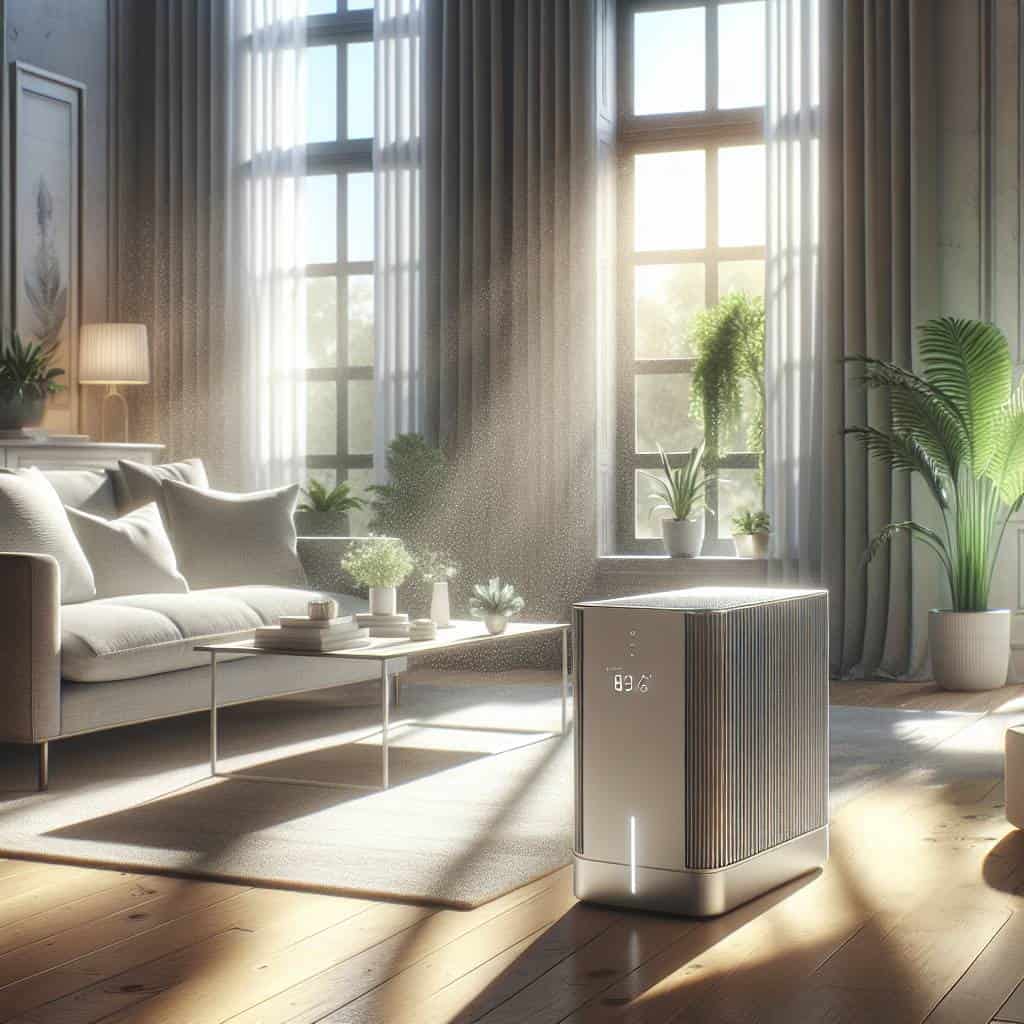
Picture this: I’m standing in my living room, staring at a sleek Dyson contraption that looks more like a sci-fi monolith than an air purifier. I was drawn in by the promise of cleaner air, a healthier home, and, frankly, a gadget that would make James Bond jealous. But as it puffed and whirred, I found myself questioning the reality behind the polished facade. You see, I never set out to become the unwilling critic of Dyson’s so-called smart breathing machines. It all started with a simple goal—filter out the suburban smog that’s as much a part of my neighborhood as cookie-cutter houses and nosy neighbors. But instead, I ended up entangled in a web of marketing hype and tech illusions.
The first few days, I was a believer. The Dyson app, with its graphs and alerts, tried its best to convince me that my air quality had transformed overnight. But beneath the digital veneer, I smelled something fishy—and it wasn’t just the remnants of last night’s takeout. A quick experiment with incense revealed the truth: my “smart” purifier was about as effective as a band-aid on a bullet wound. And that’s when it hit me—these machines, with their sky-high price tags and promises of purity, were more about selling a lifestyle than actually delivering on the clean air they touted. So here I am, the reluctant truth-teller, calling out Dyson’s smart breathing machines for what they are: overpriced status symbols that might as well be blowing hot air.
The Air We Breathe (Or Pretend To)
Investing in a ‘smart’ air purifier is like hiring a life coach who promises enlightenment but delivers motivational posters. Don’t be fooled by the Dyson hype; the air might be cleaner, but the marketing is still full of hot air.
Breathing Freely: Embracing Imperfection in a Filtered World
So here I am, at the end of this journey, staring down the barrel of yet another gadget promising to revolutionize my home air quality. And you know what? I’m not buying it. Literally and figuratively. Because I’ve realized that no matter how many filters you stack, there’s no machine savvy enough to sift through the bullshit of marketing hype. My lungs, my rules.
Maybe it’s time we stopped chasing perfection and started embracing the chaos. Instead of investing in a ‘smart’ purifier, try opening a window or planting a real tree. Or better yet, take a walk outside and breathe in the unfiltered air that no corporate giant can sell back to you. In the end, maybe the healthiest home isn’t one that’s clinically sterile, but one where the air—like the people living in it—is allowed to be a little messy and unpredictable.