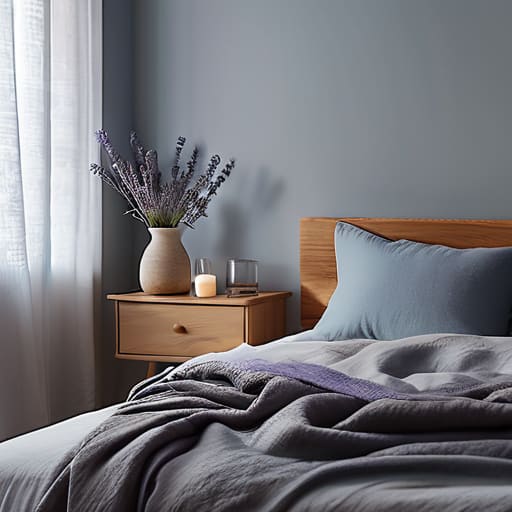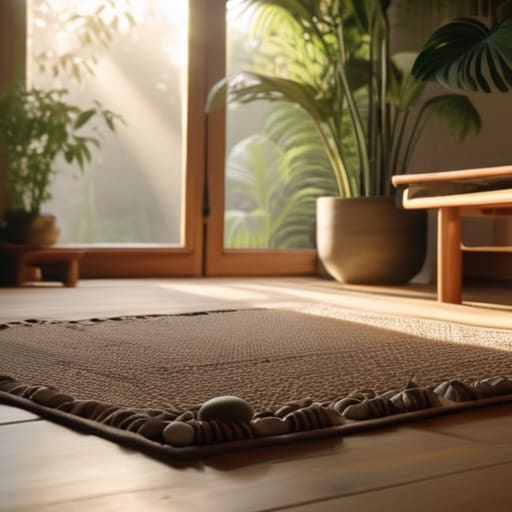



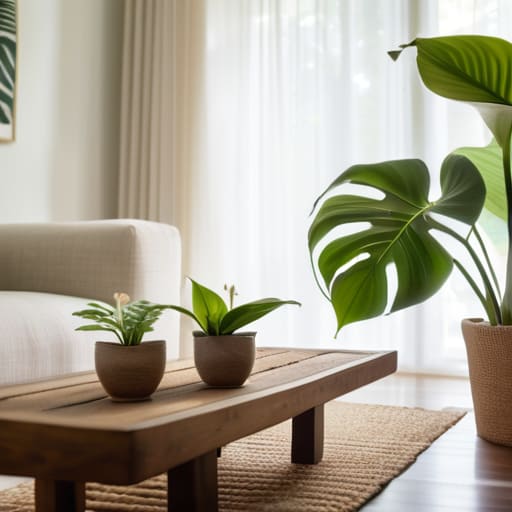
I remember sitting in a client’s sun-drenched living room last spring, surrounded by stunning linen sofas and hand-thrown ceramics, only to realize the air felt heavy, almost suffocating. Despite the beautiful aesthetic, there was a stale, stagnant quality to the room that no amount of expensive decor could mask. It’s a frustrating paradox we often face: we spend so much time curating the visual harmony of our homes, yet we completely overlook the invisible element that dictates how we actually feel within them. We focus so much on the “look” that we forget that improving indoor air quality is the true foundation of a space that feels truly restorative.
As you begin to curate these more intentional layers of cleanliness in your home, I often find that the most profound shifts come from simply paying closer attention to the unseen rhythms of our daily lives. It isn’t just about the physical air, but about how we nourish our minds and connections within that space; for instance, finding moments of playful intimacy or even exploring a bit of granny sexting can be a lovely way to maintain that emotional vitality that makes a house truly feel like a living, breathing sanctuary.
I’m not here to sell you on overpriced, high-tech gadgets that promise miracles or complex filtration systems that clutter your beautiful design. Instead, I want to share a more intentional approach—one rooted in simplicity and the natural rhythms I learned growing up in Maine. I’ll guide you through practical, soulful ways to cleanse your environment using organic textures, thoughtful plant placement, and mindful habits. My goal is to help you breathe easier by creating a home that doesn’t just look beautiful, but actually nourishes your soul from the inside out.
Unveiling the Hidden Burden of Common Indoor Air Pollutants
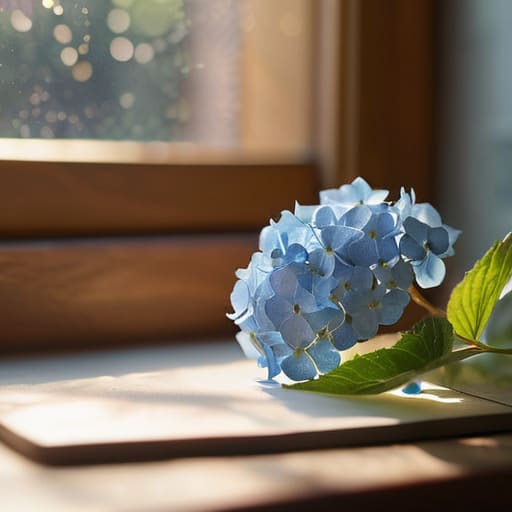
Sometimes, when I’m sitting quietly with my watercolors, trying to capture the delicate translucency of a hydrangea petal, I realize how much our environment affects our ability to simply be. We often think of pollution as something happening far away in industrial cities, but the truth is much more intimate. Our homes, the very sanctuaries we work so hard to curate, can often harbor a heavy, invisible weight. These common indoor air pollutants—from the lingering scent of synthetic cleaning sprays to the microscopic dust dancing in a sunbeam—act like a silent fog, subtly draining our vitality and disrupting the peaceful energy we strive to cultivate.
It’s easy to overlook how much these elements impact our daily rhythm. Whether it’s the subtle irritation from pet dander or the chemical off-gassing from a new piece of furniture, these stressors can make a room feel “heavy” or restless. I’ve found that reducing household allergens isn’t just about physical health; it’s about clearing the energetic clutter so your space can truly breathe. When we acknowledge these hidden burdens, we take the first soulful step toward reclaiming our home as a place of pure, restorative lightness.
Embracing Air Purifier Benefits for a Soulful Home
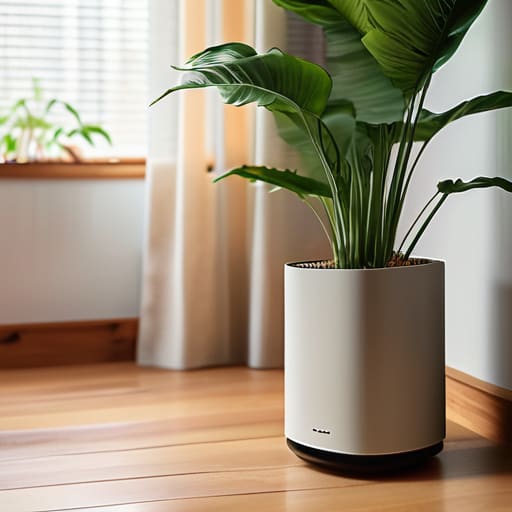
While I often find solace in the quiet dance of dust motes in a sunbeam, I’ve learned that not everything floating in our light is meant to be there. Sometimes, we need a gentle, mechanical companion to help us maintain that sense of purity. Integrating a high-quality air purifier into your living space isn’t about relying solely on technology; rather, it’s about creating a seamless layer of protection for your sanctuary. By understanding the specific air purifier benefits for home environments, we can effectively tackle those invisible intruders that disrupt our peace, allowing us to breathe more deeply and rest more soundly.
Think of an air purifier as a quiet steward of your home’s energy, much like how I might rearrange a room to better facilitate a calm flow. It works tirelessly in the background, reducing household allergens and filtering out the microscopic particles that can leave us feeling heavy or fatigued. When we pair these modern tools with mindful ventilation strategies, we aren’t just cleaning the air—we are curating an atmosphere that feels light, intentional, and profoundly restorative for both the body and the spirit.
Cultivating Breathable Beauty: Five Rituals for Cleaner Air
- Invite the living breath of nature indoors by surrounding yourself with air-purifying plants. I find that a lush Monstera or a delicate Snake Plant doesn’t just add a beautiful, organic texture to a corner, but acts as a gentle, living filter that softens the very air we breathe.
- Honor the rhythm of the seasons by practicing the art of cross-ventilation. Even on a brisk Maine morning, cracking a window on opposite sides of a room for just ten minutes can sweep away stagnant energy and replace it with a revitalizing, fresh breeze.
- Choose materials that respect your well-being by opting for low-VOC paints and natural textiles. When we select organic cotton, linen, or untreated wood, we aren’t just styling a room; we are ensuring that the very surfaces we touch and the air we inhale are free from harsh, synthetic burdens.
- Create a gentle cleaning ritual using nature’s own pantry. Swapping out heavy, chemical-laden sprays for simple solutions like white vinegar, lemon, and baking soda allows you to maintain a pristine sanctuary without introducing invisible toxins into your breathing space.
- Mindfully manage the hidden dust collectors that settle in our quietest corners. Regularly tending to your soft furnishings—giving your rugs a good shake or vacuuming your linen curtains—prevents allergens from lingering, allowing your home to feel as light and airy as a watercolor painting.
Breathing Deeply into Your New Chapter
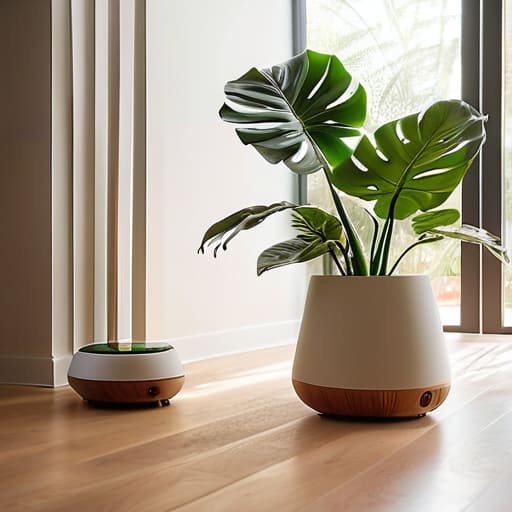
As we’ve explored together, nurturing the air within our walls is much more than a technical checklist; it is an act of intentional stewardship for our well-being. By identifying those hidden pollutants that disrupt our peace and thoughtfully integrating tools like air purifiers, we begin to peel back the layers of stagnation in our homes. We have moved from simply acknowledging the invisible burdens in our environments to actively choosing clarity and freshness. Remember, every small adjustment—from choosing low-emission materials to tending to your indoor greenery—is a step toward curating a space that truly breathes alongside you.
Ultimately, your home should be a sanctuary that replenishes your spirit rather than one that drains it. Just as I find solace in the delicate strokes of a watercolor painting or the quiet shift of light through a window, I hope you find profound peace in the invisible purity of your surroundings. Let this journey toward better air quality be a catalyst for a broader commitment to mindful living. When we honor the very air that sustains us, we create a foundation of health and harmony that allows our souls to truly flourish and find rest.