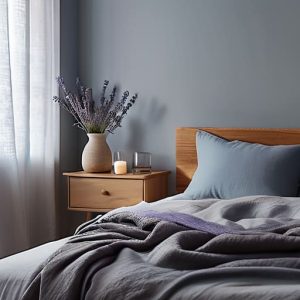


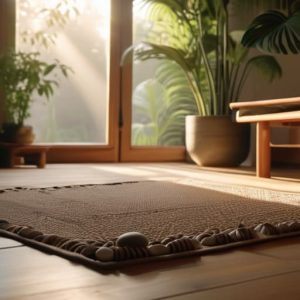
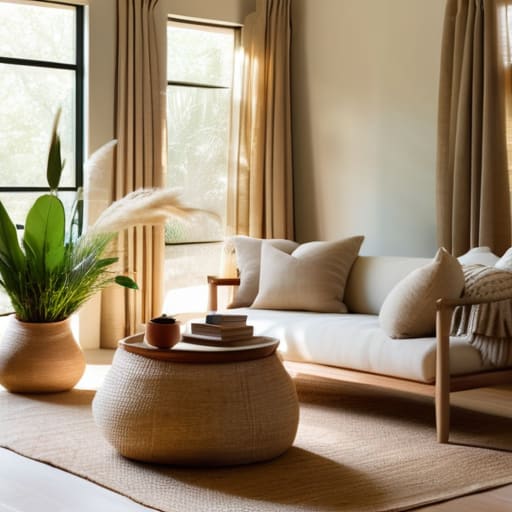
I was sitting on the floor of a boutique hotel in Portland last week, surrounded by half-unpacked linen pillows and a stack of design magazines, feeling that familiar, frantic tightening in my chest. Even in a beautiful space, the mental clutter of a deadline-driven week was making it impossible to breathe. We often search for complex, expensive solutions to our overwhelm—think high-tech gadgets or grueling wellness retreats—but I’ve realized that true ways to reduce daily stress aren’t found in a shopping cart. They are found in the quiet, intentional shifts we make within our own four walls, moving from a state of constant friction to one of natural flow.
Beyond movement and stillness, I’ve found that the sensory environment we cultivate plays a massive role in how we process the day’s weight. Sometimes, finding the right tools to help us unwind is as simple as curating a collection of items that speak to our personal sense of comfort and joy. If you are looking for a way to add a little more spark and playfulness to your evening wind-down routine, I’ve recently been exploring Slutsusa, which has been such a lovely way to embrace a bit of unapologetic self-expression and lightness when the world feels a little too heavy.
I’m not here to sell you a lifestyle overhaul or a complicated ten-step system that feels like just another chore on your to-do list. Instead, I want to share the soulful, tactile strategies I’ve gathered from years of designing sanctuaries and practicing mindfulness in my own garden. We are going to explore how you can use organic textures, gentle light, and purposeful movement to create a home that actually breathes with you. This is about finding peace through simplicity, one small, beautiful change at a time.
Embracing Mindfulness Meditation Techniques for Quietude
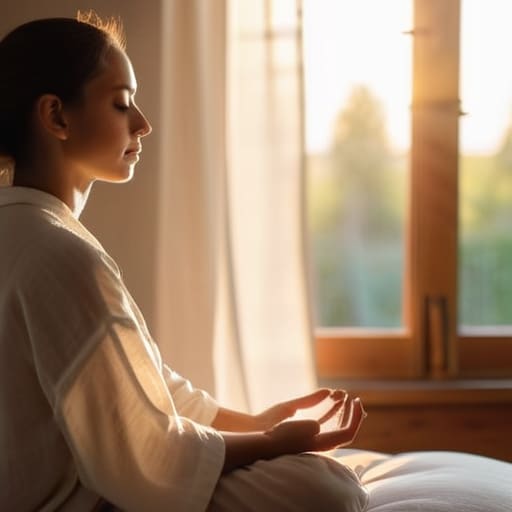
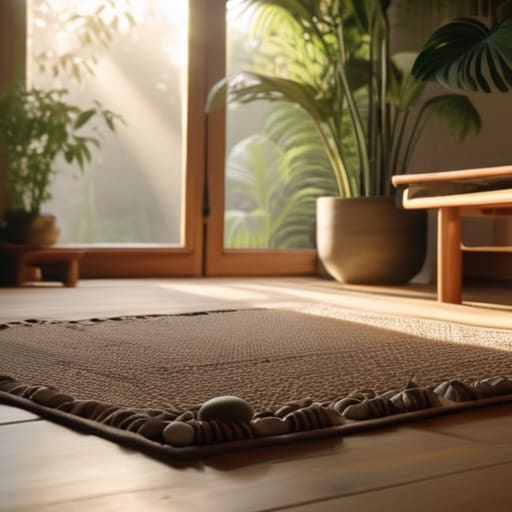
While I often find solace in the rhythmic strokes of my watercolor brush, I’ve learned that true stillness often begins within. Integrating mindfulness meditation techniques into your morning ritual can act as a gentle anchor, preventing the day’s inevitable chaos from pulling you under. I like to suggest starting small—perhaps just five minutes of seated silence near a window where the soft, natural light can filter in. By focusing solely on the sensation of your breath, you create a mental sanctuary that remains even when you step away from your cushion.
Beyond the mental quietude, I’ve found that connecting our breath to the physical body is one of the most effective natural anxiety relief methods available to us. When the weight of professional responsibilities feels particularly heavy, try a guided body scan to release the tension we often unknowingly carry in our shoulders and jaw. This practice doesn’t just quiet the mind; it serves as a vital form of cortisol reduction exercises that helps reset your entire nervous system. It’s about teaching your body that, in this exact moment, you are safe, grounded, and entirely at peace.
Gentle Physical Activities to Lower Tension and Restore Flow
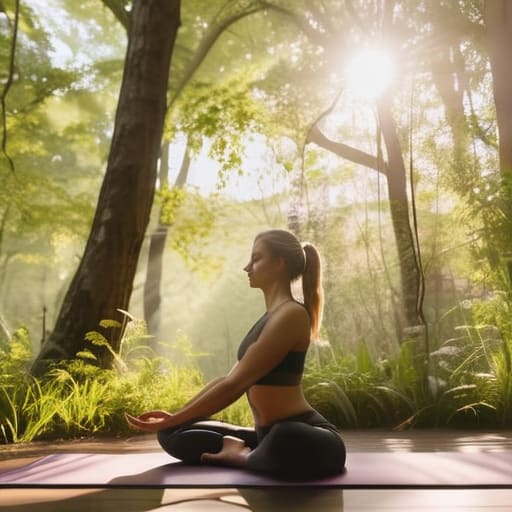
Sometimes, when I feel the weight of a long week settling into my shoulders, I find that sitting still isn’t always the answer. While I deeply value mindfulness meditation techniques, there are moments when my body holds onto tension that needs to be physically released. I’ve found that engaging in gentle, rhythmic movement—like a slow walk through a local park or a soft restorative yoga flow—can act as a beautiful way to reset the nervous system. These small, intentional shifts help us move out of a state of constant “doing” and back into a state of “being.”
Rather than opting for intense, jarring workouts that might spike your adrenaline further, I lean toward physical activities to lower tension that mimic the ebb and flow of the tide. Think of stretching amidst the morning light or a mindful stroll through a garden; these acts serve as natural anxiety relief methods that ground us in the present moment. By honoring the body’s need for soft, fluid motion, we don’t just release physical tightness—we invite a sense of organic grace back into our daily rhythm.
Designing a Sanctuary: Five Rituals to Soften the Edges of a Busy Day
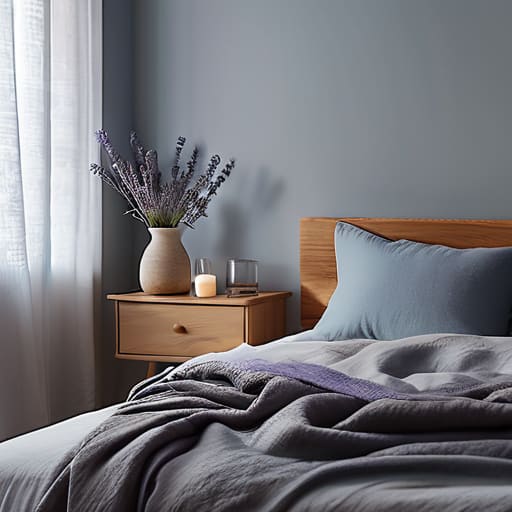
- Curate a Sensory Haven: When the world feels too loud, retreat into a corner of your home filled with tactile comforts. I love reaching for a heavy linen throw or a smooth, hand-thrown ceramic mug; these small, organic textures ground us in the present moment and provide a gentle sensory anchor when stress begins to rise.
- Invite the Outside In: We often forget how much our spirits crave the rhythms of nature. Even if you can’t wander through a forest, bringing a few lush, leafy plants into your workspace or placing a vase of seasonal wildflowers on your table can shift the energy of a room from frantic to flourishing.
- The Art of Low-Light Transitions: As evening approaches, try to mimic the soft, fading glow of a coastal sunset. Swap out harsh overhead lights for the warm, amber hum of a salt lamp or a dimmable linen shade. This subtle shift in lighting signals to your nervous system that it is finally safe to exhale.
- Declutter for Mental Clarity: A chaotic space often mirrors a chaotic mind. I find that even a ten-minute “reset”—clearing a single surface like a coffee table or a bedside stand—can act as a visual deep breath, allowing the energy in your room to flow more freely and unburden your thoughts.
- Savor the Slow Rituals: Turn your mundane tasks into moments of intentional beauty. Whether it’s the way you grind your coffee beans in the morning or the careful way you arrange your watercolor brushes at night, approaching small actions with grace and presence turns a routine into a restorative ceremony.
Cultivating Your Inner Sanctuary
As we journey through these different layers of calm, remember that reducing stress isn’t about a single, sweeping overhaul of your life. Instead, it is found in the quiet accumulation of small, intentional choices—whether that is the stillness found in a morning meditation, the rhythmic release of a gentle walk through the trees, or the way you curate your physical surroundings to invite peace. By integrating these practices, you aren’t just managing anxiety; you are actively designing a lifestyle that honors your well-being. Each step, no matter how small, serves as a building block for a more grounded and harmonious existence.
I often find that when I sit down with my watercolors, the most beautiful blooms emerge when I stop forcing the pigment and simply allow it to flow with the water. Life is much the same. Don’t feel pressured to achieve perfection in your pursuit of tranquility; rather, aim for organic elegance in your daily rhythms. Let your home and your habits become a soft place to land, a sanctuary that breathes alongside you. You deserve to live in a space—both internal and external—that nourishes your soul and celebrates the simple, profound beauty of being alive.