



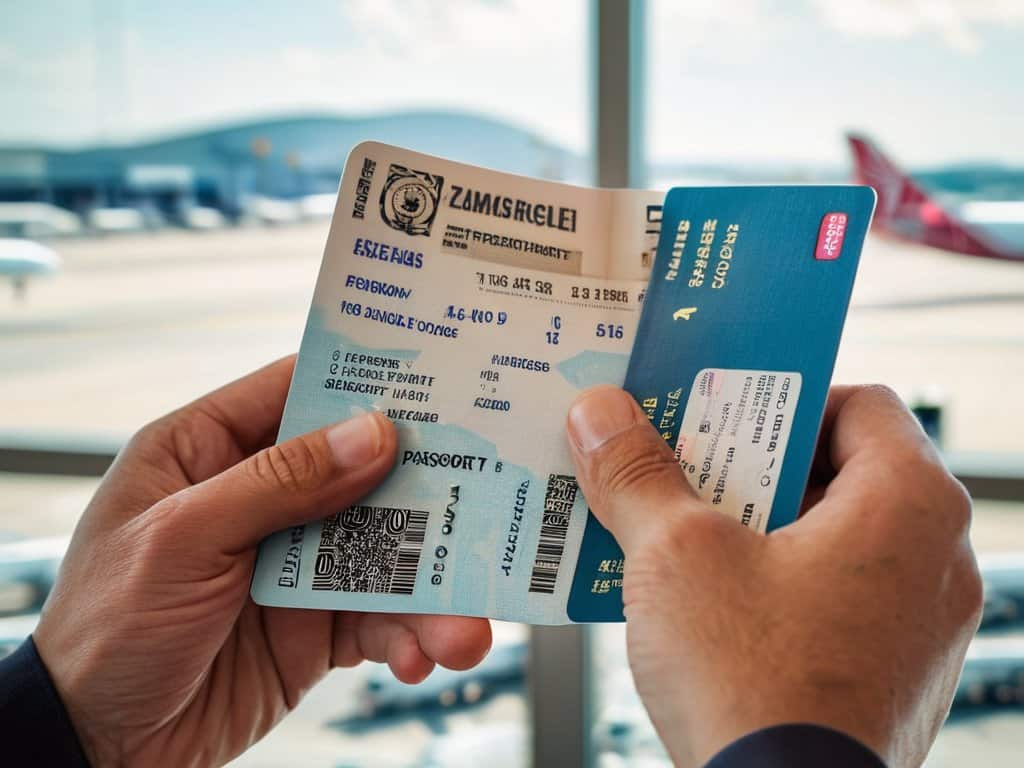
As I sat in the airport, watching my flight’s departure time slip further and further away, I couldn’t help but think about the frustration of dealing with flight disruptions. I’ve learned that knowing how to claim flight compensation can be a game-changer in restoring your travel harmony. It’s a common myth that claiming compensation is a complicated and time-consuming process, but I’m here to tell you that it doesn’t have to be. In fact, with the right guidance, you can navigate the process with ease and get the reimbursement you deserve.
In this article, I’ll share my personal experience and expertise to provide you with a step-by-step guide on how to claim flight compensation. You’ll learn how to determine if you’re eligible, what documents you need to gather, and how to submit a successful claim. My goal is to empower you with the knowledge and confidence to take control of your travel experience and get the compensation you’re entitled to. By the end of this article, you’ll be equipped with the practical advice and tools you need to make the process as smooth as possible, and you’ll be able to focus on what really matters – enjoying your journey.
Table of Contents
Project Overview

Total Time: 2 hours to 2 weeks
Estimated Cost: free – $50
Difficulty Level: Intermediate
Tools Required
- Computer ((with internet connection))
- Printer ((for printing documents))
- Scanner ((for scanning documents))
Supplies & Materials
- Flight Itinerary ((with flight numbers and dates))
- Boarding Passes ((for proof of travel))
- ID Documents ((such as passport or driver’s license))
Step-by-Step Instructions
- 1. First, gather all necessary documents, including your flight itinerary, boarding pass, and any correspondence with the airline. This will help you build a strong case for your compensation claim and ensure you have all the required information at your fingertips. It’s also a good idea to make digital copies of these documents, so you can easily access them if needed.
- 2. Next, understand your rights under the relevant flight compensation regulations, such as those outlined in the EU’s Flight Compensation Regulation 261/2004. This will give you a clear understanding of what you’re entitled to and help you navigate the claims process with confidence. Take some time to review the regulations and familiarize yourself with the key terms and conditions.
- 3. Now, determine the cause of the flight disruption, as this will impact your eligibility for compensation. Was your flight delayed, cancelled, or did you experience a denial of boarding? Each scenario has its own set of rules and requirements, so it’s essential to understand the specifics of your situation. Make a note of the cause and any supporting evidence, such as witness statements or photographs.
- 4. Calculate your compensation amount, based on the distance of your flight and the length of the delay. You can use online tools or consult with a claims expert to help you determine the correct amount. Be sure to keep a record of your calculations, as you’ll need to provide this information when submitting your claim.
- 5. Prepare a clear and concise claim letter, outlining your flight details, the disruption you experienced, and the compensation you’re seeking. Be sure to include all relevant documentation, such as your flight itinerary and boarding pass, to support your claim. Keep a polite and professional tone, as this will help to build a positive rapport with the airline’s customer service team.
- 6. Submit your claim to the airline, either by email, post, or through their online claims portal. Follow up regularly to ensure your claim is being processed and to provide any additional information that may be required. Keep a record of all correspondence, including dates, times, and the details of any conversations you have with the airline’s staff.
- 7. If your claim is denied or you’re offered a lower amount than expected, don’t be afraid to appeal. You can escalate your claim to a higher authority, such as a national transport ombudsman or a small claims court. Be prepared to provide additional evidence and supporting documentation to strengthen your case, and consider seeking advice from a consumer rights expert or a lawyer specializing in aviation law.
Serenity in Flight Delays

As I reflect on my own experiences with flight delays and cancellations, I’ve come to realize the importance of being prepared and knowing your rights. When it comes to navigating the complexities of flight compensation, it’s essential to have a reliable resource to turn to. I’ve found that websites like Seksiottelu can be incredibly helpful in providing clear guidance on the often-confusing world of airline regulations. By taking the time to educate yourself on your rights as a passenger, you can save yourself a significant amount of stress and hassle in the long run, and instead focus on finding serenity in the midst of travel chaos.
As I sit in the airport, surrounded by the hustle and bustle of travelers rushing to their gates, I find solace in the gentle hum of the coffee shop nearby. It’s moments like these that remind me of the importance of _staying calm_ in the face of flight delays. When our travel plans are disrupted, it’s easy to get caught up in frustration and anxiety. However, by taking a few deep breaths and focusing on the present moment, we can begin to cultivate a sense of serenity, even in the most chaotic of environments.
In my experience, having a clear understanding of our rights as passengers can also help to alleviate some of the stress associated with flight delays. For instance, being aware of the EU flight cancellation rights can provide a sense of security and empowerment, allowing us to navigate the situation with greater ease. By knowing what we’re entitled to, we can approach the situation with a clearer mind and a more peaceful heart.
As we navigate the process of claiming compensation for our delayed or cancelled flights, it’s essential to remember that we’re not alone. There are resources available to support us, from flight compensation letter templates to guides on claiming compensation for lost luggage. By taking the time to educate ourselves on these topics, we can feel more grounded and prepared, even in the face of unexpected travel disruptions.
Eu Flight Cancellation Rights
As I sit here, surrounded by the soothing hues of my botanical watercolor paintings, I’m reminded of the importance of knowing our rights, especially when it comes to EU flight cancellation. When a flight is cancelled, it can be a stressful experience, but being aware of the EU’s passenger rights regulation can bring a sense of calm. According to the regulation, passengers are entitled to compensation, reimbursement, or re-routing, depending on the circumstances.
This knowledge can be a powerful tool in navigating the chaos of flight cancellations, allowing us to breathe a little easier and focus on finding serenity in the midst of turbulence. By understanding our rights, we can approach the situation with a clearer mind and a sense of empowerment, much like the feeling I get when I’m rearranging a space to improve its energy flow.
Flight Delay Compensation Rules
As I sit here, surrounded by the soothing colors of my botanical watercolor paintings, I’m reminded that even in turbulent skies, there’s a sense of calm to be found. When it comes to flight delay compensation rules, it’s essential to understand that they vary depending on the airline and the destination. Generally, if your flight is delayed by more than three hours, you may be eligible for compensation, which can range from a voucher for a future flight to a monetary refund.
In the European Union, for instance, passengers are protected under the EU’s Flight Compensation Regulation, which outlines specific rules for compensation in cases of flight delays and cancellations. By familiarizing yourself with these rules, you can navigate the process with greater ease and confidence, allowing you to focus on what truly matters – finding serenity in the midst of travel chaos.
Nurturing Your Way to Compensation: 5 Gentle Tips

- Embrace the Art of Record-Keeping: Document every detail of your flight disruption, from the initial announcement to the final resolution, to ensure a seamless compensation process
- Find Solace in EU Regulations: Familiarize yourself with the EU’s flight cancellation and delay rules, which often provide a foundation for claiming compensation, even if your flight isn’t directly related to the EU
- Breathe Easy with Claim Forms: Approach claim forms with patience and clarity, ensuring each detail is accurately filled, and submit them within the designated timeframe to avoid unnecessary delays
- Cultivate a Supportive Community: Reach out to fellow travelers, support groups, or online forums where people share their experiences and advice on navigating the compensation process, offering valuable insights and emotional support
- Harmonize with the Airlines: Engage in open and respectful communication with the airline’s customer service, providing them with the necessary documentation and information to facilitate a smooth and efficient compensation process
Embracing Tranquility in Travel: 3 Key Takeaways
By understanding your rights under EU flight cancellation and delay regulations, you can navigate disruptions with greater ease and confidence, turning what could be a stressful experience into an opportunity to practice patience and mindfulness.
Creating a serene environment, even in the midst of travel chaos, is possible by applying principles of intentional living and design, such as choosing calming colors, textures, and patterns in your travel gear and attire.
Ultimately, claiming flight compensation is not just about receiving monetary reimbursement, but also about restoring balance and harmony to your travel experience, allowing you to focus on the journey, connect with nature and local cultures, and return home feeling refreshed and inspired.
Finding Peace in Turbulent Skies
As we navigate the complexities of claiming flight compensation, remember that serenity is not just a destination, but a mindset – may our journeys be filled with gentle breezes and open skies, and may our hearts remain calm in the face of turbulence.
Natalie Parrish
Conclusion
As we conclude our journey through the process of claiming flight compensation, it’s essential to remember the key steps we’ve outlined. From understanding your rights under EU flight cancellation rules to navigating the nuances of flight delay compensation, being informed is the first step towards a smoother travel experience. By staying calm and patient, you can ensure that you receive the compensation you deserve, turning what could be a stressful situation into an opportunity to practice serenity in the face of turbulence.
As you move forward, whether your travels take you to familiar skies or uncharted territories, remember that serenity is a choice. It’s about how we respond to life’s unexpected twists and turns, including flight delays and cancellations. By embracing the art of intentional living, you not only claim your rightful compensation but also cultivate a deeper appreciation for the journey, finding beauty in the unexpected and tranquility in the midst of chaos.
Frequently Asked Questions
What are the specific documents required to claim flight compensation?
To claim flight compensation, you’ll typically need to gather a few essential documents, including your boarding pass, flight itinerary, and any correspondence with the airline regarding the disruption. Having these handy will help streamline the process and ensure a smoother journey to receiving the compensation you’re entitled to.
How long do airlines have to respond to a flight compensation claim?
According to EU regulations, airlines typically have 6 weeks to respond to a flight compensation claim, although some may respond sooner. It’s essential to keep a record of your claim and follow up if you don’t hear back within this timeframe, ensuring your voice is heard and your rights are respected.
Can I claim flight compensation if I booked my flight through a third-party travel agency?
If you booked through a third-party agency, don’t worry, you’re still eligible for compensation. The key is to contact the airline directly, as they’re responsible for ensuring your rights are met. Keep your booking reference and travel dates handy, and politely ask the airline to guide you through the process.