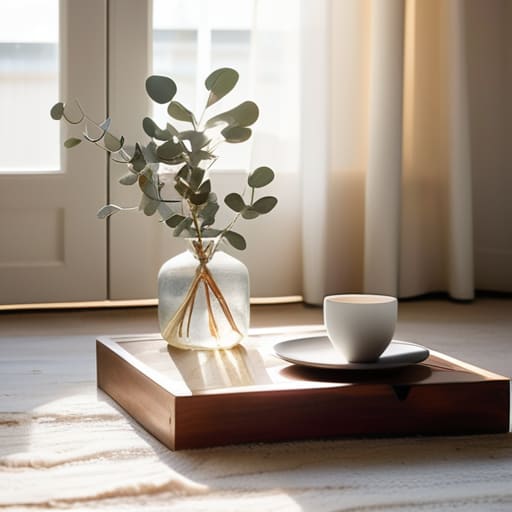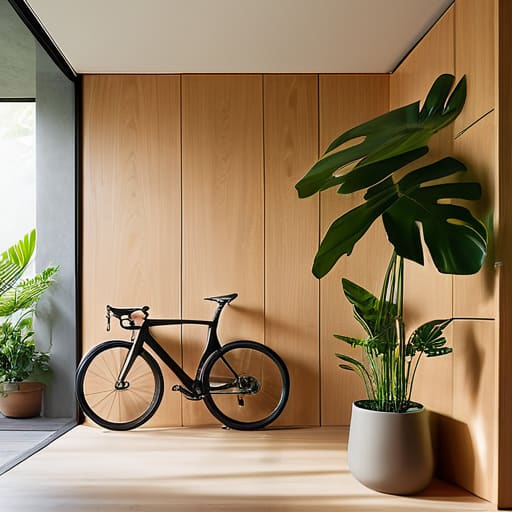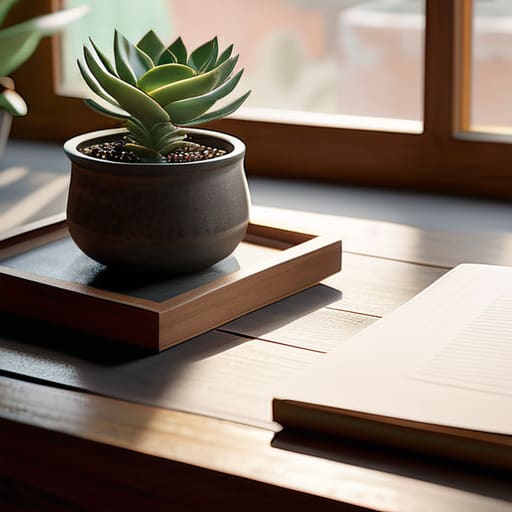



So there I was, sitting in my suburban nightmare, surrounded by the kind of decor that makes you question every life choice you’ve ever made. I mean, how many more beige throw pillows could one person own before they become a beige throw pillow themselves? In this pit of mediocrity, I stumbled upon Japandi style—a design philosophy so stark, it felt like a slap in the face. And honestly, it was the wake-up call I needed. Imagine a space where minimalism isn’t just a buzzword but a way of life, where Japanese serenity meets Scandinavian pragmatism. It’s like the universe finally threw me a lifeline out of my cluttered chaos.
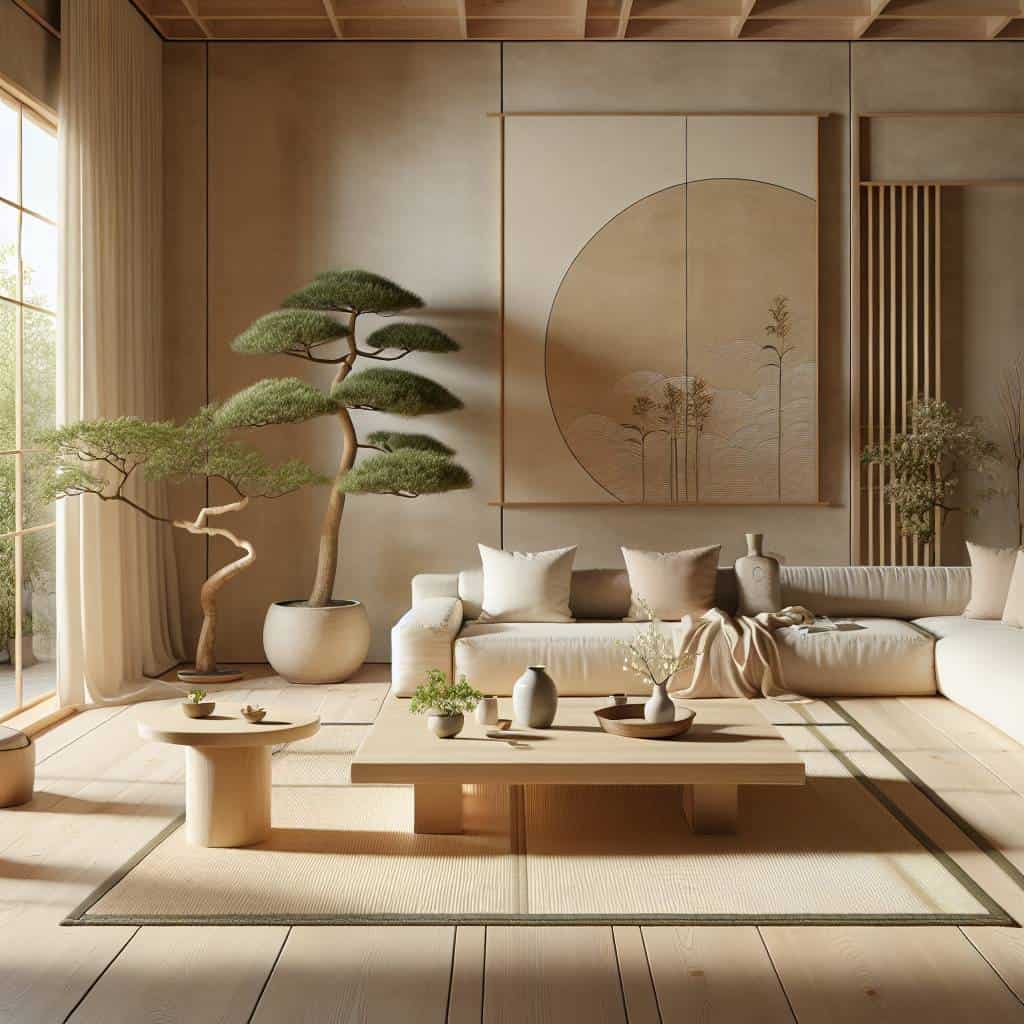
Now, before you roll your eyes at another design trend promising to “change your life,” let me reel you in. What I’m offering here isn’t some brochure fluff. I’m about to dive into the very marrow of Japandi—its essence, how it marries Japanese and Scandinavian influences, and why it might just be the antidote to your interior design woes. We’re talking the basics, the philosophy, the stuff that might just make you rethink every knick-knack cluttering your shelves. Get ready to see your living space through a lens of ruthless simplicity.
Table of Contents
How I Realized My Zen Was Missing: The Basics of Japanese and Scandinavian Decor
There I was, sitting in my overstuffed living room, surrounded by a mishmash of forgotten trends and impulse buys. It hit me like a ton of bricks—or maybe like the pile of unread books teetering on the edge of the coffee table. My Zen was missing, buried under the avalanche of clutter and chaos. I craved simplicity like a starving man craves bread, and that’s when I stumbled upon the minimalistic magic of Japanese and Scandinavian decor. These two styles don’t just whisper ‘less is more’; they scream it from the rooftops in the most elegantly understated way possible.
Japanese design is all about intentionality. Every piece has a purpose, a story. It’s like a quiet rebellion against the mindless accumulation of stuff. You walk into a Japanese-inspired space, and it’s like being wrapped in a warm, minimalist hug. Natural materials, neutral tones, and a focus on harmony create a sanctuary that just makes sense. Then you’ve got Scandinavian decor, the other half of this aesthetic power couple, with its functional beauty and love affair with light. Think of it as a design philosophy that laughs in the face of dark, cluttered corners. Clean lines, cozy textiles, and a palette that reflects the Nordic landscape make it feel like a breath of fresh air.
Blending these two into Japandi style is like finding the holy grail of interior design. It’s a lesson in balance—where Japan’s serene elegance meets Scandinavia’s cozy practicality. But it’s more than that. It’s a lifestyle choice, a commitment to living with purpose and clarity. My living room transformed into a space that didn’t just look good; it felt good. And isn’t that the point of all this interior design madness? To create a space that not only reflects who we are but also who we aspire to be. Stripping away the unnecessary to find the calm amidst the chaos. That’s where I found my Zen.
The Gospel of Japandi
In the chaotic world of material excess, Japandi emerges as the rebellion—a testament to the elegance of less. It’s where Japanese Zen meets Scandinavian restraint, crafting a sanctuary that whispers, ‘Enough.’
The Zen of Embracing the Chaos
As I sit here in my Japandi-inspired living room, sipping on a cup of Matcha while contemplating the minimalist lines that now define my space, I can’t help but chuckle at the irony. This journey started with a vague sense of dissatisfaction—a nagging itch that my suburban backdrop couldn’t quite scratch. Little did I know, the answer lay in the stark embrace of simplicity, the ruthless purge of clutter. I became a disciple of design philosophies that demand you strip down to the essentials, exposing the bare bones of existence. It’s a liberation, shedding the excess like a snake sloughs off its skin.
But don’t be fooled; this isn’t about chasing a trend or morphing into a design snob. It’s about finding a sanctuary amidst the chaos. Japandi has taught me to appreciate the silence in the noise, the elegance in the mundane. Every piece I own now tells a story, a testament to my rebellion against the suburban sameness. And in that rebellion, I’ve found a peace that’s as much about the journey as it is about the destination. So, here’s to the chaos, the calm, and the delicate dance between the two. Your move, clutter.