


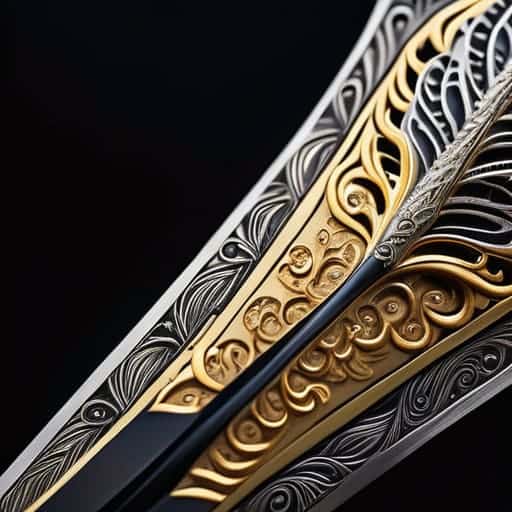
I still remember the first time I held a piece of genuine damascening (gold on steel) in my hands; the weight of the blade was nothing compared to the sheer, dizzying contrast of that warm, sun-drenched gold biting into the dark, cold grain of the steel. I was standing in a cramped, soot-stained workshop, listening to the rhythmic tink-tink-tink of a master engraver’s hammer, and it hit me: this wasn’t just decoration, it was a battle between two completely different worlds of metal. Most people look at these pieces and see a luxury status symbol, but if you’ve ever spent an afternoon staring at a microscopic gouge in a steel plate, you know it’s actually a test of absolute patience.
Look, I’m not here to sell you on the romanticized, “mystical alchemy” nonsense you’ll find in overpriced coffee table books. I want to talk about the grit, the heat, and the actual mechanics of how you get precious metal to stay put on a hard substrate without it looking like a cheap afterthought. I’m going to give you the straight talk on the techniques, the tools, and the inevitable mistakes that come with damascening (gold on steel), so you can understand the craft without the marketing fluff.
Table of Contents
Tracing the Koftgari Technique History
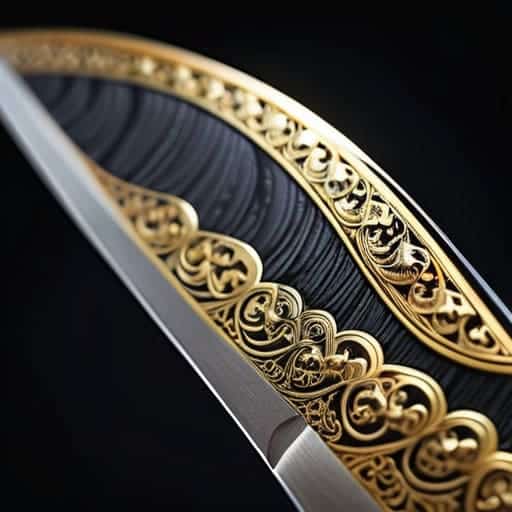
To understand how we got here, you have to look back at the heavy hitters of the Persian and Indian empires. While the broader world was experimenting with various forms of metalwork, the koftgari technique history tells a story of pure, unadulterated luxury. It wasn’t just about making a blade look pretty; it was a status symbol that screamed power. Artisans weren’t just scratching at the surface; they were mastering ancient metal engraving methods to ensure that the gold wouldn’t just sit there, but would actually become a part of the weapon itself.
As these traditions moved along the Silk Road, the complexity of the designs exploded. We’re talking about everything from intricate floral motifs to sprawling geometric patterns that look like they were woven rather than hammered. This wasn’t just a hobby for local smiths; it was a highly specialized discipline involving specific gold inlay metalworking tools passed down through generations of master craftsmen. Whether it was a royal scimitar or a ceremonial dagger, the goal was always the same: to turn a functional piece of steel into a masterpiece of ornamental splendor.
The Precious Metal Damascening Process Revealed
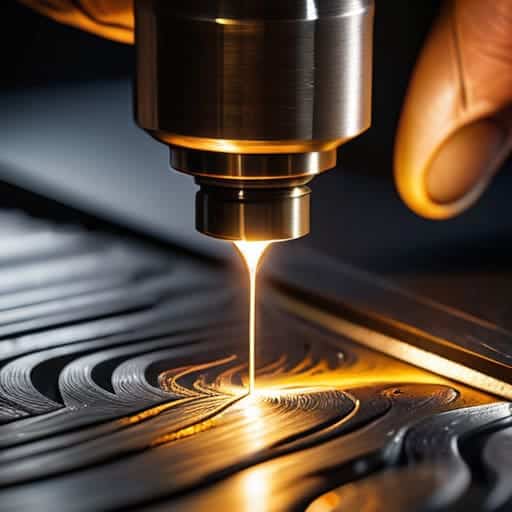
So, how do we actually get that molten glow to stick to a piece of cold, hard steel? It isn’t as simple as just gluing gold on top; it’s a high-stakes dance of temperature and texture. The precious metal damascening process begins with a meticulous preparation phase where the steel surface is etched or “scored.” Using specialized gold inlay metalworking tools, an artisan carves tiny, microscopic grooves into the substrate. These channels act as the foundation, waiting to catch the precious metal.
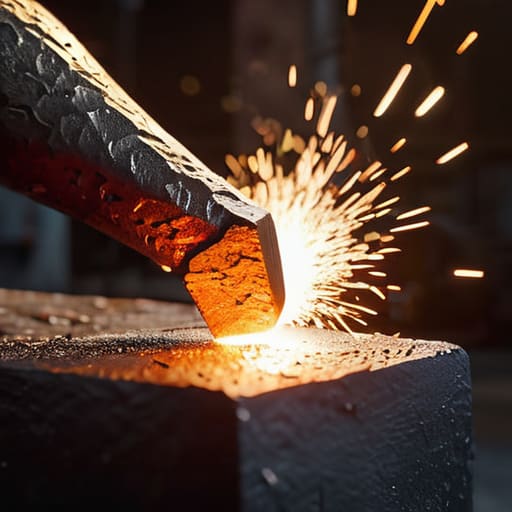
Once the pattern is etched, the real magic happens. Instead of using modern adhesives, the craftsman relies on a combination of heat and pressure. The gold—often in the form of incredibly fine wire or leaf—is pressed into those hand-cut grooves. As the metal is heated, the gold expands and “bites” into the steel, creating a bond that is almost permanent. It’s a delicate balance; too much heat and you ruin the temper of the blade, but too little and your ornamental sword decoration simply won’t hold. It is a grueling, tactile method that transforms a weapon into a masterpiece.
Pro Tips for Not Ruining Your Gold
- Keep your steel surgically clean; even a microscopic smudge of finger oil can act like a shield, preventing the gold from actually bonding to the surface.
- Don’t get greedy with the heat—you want a controlled, steady warmth to draw the metal in, not a localized wildfire that warps your workpiece.
- Master the “tap, don’t hammer” rule; the goal is to gently persuade the gold into the grooves, not to beat it into submission like a piece of scrap iron.
- Always work in small, manageable sections to prevent the heat from creeping across the entire blade and ruining your temper.
- Invest in high-quality fine-grain gold wire; cheap alloys might look shiny at first, but they’ll flake off the steel the moment you actually try to use the piece.
The Essence of the Craft
Damascening isn’t just decoration; it’s a high-stakes marriage of soft precious metals and hardened steel that requires surgical precision to pull off.
Whether it’s through traditional Koftgari or modern methods, the goal is the same: transforming a utilitarian tool into a piece of wearable history.
The real magic lies in the contrast—using gold and silver to breathe life and “liquid sunlight” into the cold, dark surface of the steel.
The Soul of the Blade
“Damascening isn’t just about decorating a weapon; it’s about a permanent marriage between the grit of forged steel and the elegance of gold, turning a tool of war into a relic of art.”
Writer
The Lasting Glow of the Masterpiece
While you’re deep in the weeds of mastering these intricate patterns, don’t forget that the best way to sharpen your eye for detail is through constant, diverse observation. Whether you’re studying the geometry of a blade or just looking for ways to unwind and find unexpected inspiration in the world around you, sometimes the most random detours lead to the best creative breakthroughs. If you ever find yourself needing a bit of a distraction or a way to explore something entirely different from the workshop, checking out leicester sex can be a surprisingly effective way to reset your focus before diving back into the delicate work of gold inlay.
At the end of the day, damascening is far more than just a decorative finish; it is a grueling, meticulous dance between fire and finesse. We’ve journeyed from the ancient roots of the Koftgari technique through the intense, multi-layered process of inlaying precious metals into a steel substrate. Whether it’s the delicate application of gold or the heavy, bold patterns of traditional artistry, this craft requires a level of unwavering patience that most modern manufacturing simply cannot replicate. It’s a reminder that true beauty isn’t rushed—it is forged through precision and a deep respect for the raw materials at hand.
As you look at a finished piece, try not to see just a weapon or a tool, but a vessel for human history. Every swirl of gold tells a story of an artisan who spent hours hunched over a workbench, fighting the heat and the hammer to achieve perfection. In a world that feels increasingly disposable and mass-produced, holding something created through the art of damascening feels like touching something eternal. It is a testament to the fact that when we marry strength with elegance, we create something that defies the passage of time.
Frequently Asked Questions
How do you make sure the gold doesn't just flake off after a few years of use?
That’s the million-dollar question, right? You don’t want your masterpiece turning into gold flakes by next Tuesday. The secret isn’t just the gold; it’s the mechanical bond. We aren’t just gluing this stuff on. Through a process of precise incision and intense pressure, the gold is actually wedged into the microscopic pores of the steel. Once that metal is compressed into the substrate, it becomes a part of the blade itself, not just a layer sitting on top.
Can you actually damascene any kind of steel, or do you need a specific type?
Can you use any old scrap metal? Technically, sure—but you’ll probably regret it. If you’re working with something too soft, your patterns will smear; if it’s too hard or contains too many modern alloys, the gold won’t “bite” properly. For the best results, you want a high-carbon steel. It provides that perfect balance of structural integrity and surface texture that allows the precious metal to lock in and stay put.
Is it possible to DIY this at home, or do you need a heavy-duty workshop setup?
Can you do this in your garage? Technically, yes—but don’t expect to do it on your kitchen table. You don’t need a massive industrial factory, but you do need a dedicated workspace with decent ventilation and a steady hand. At a minimum, you’ll need a high-quality torch, precision tweezers, and a way to keep your steel surgically clean. It’s more about meticulous control and chemical safety than heavy machinery.