



Ever find yourself standing in the middle of your kitchen, staring at your wrist as it buzzes, and wondering why you’ve outsourced your basic self-care to a piece of overpriced tech? That little nudge from my Apple Watch, reminding me to breathe or stand, often feels like a slap in the face. As if I need a mini-computer to tell me I’ve been glued to my laptop for too long. It’s like having a nagging partner who’s always right there, strapped to your wrist, with no escape. The irony is rich, considering I bought the thing to help me manage my life, not add another layer of micro-management.
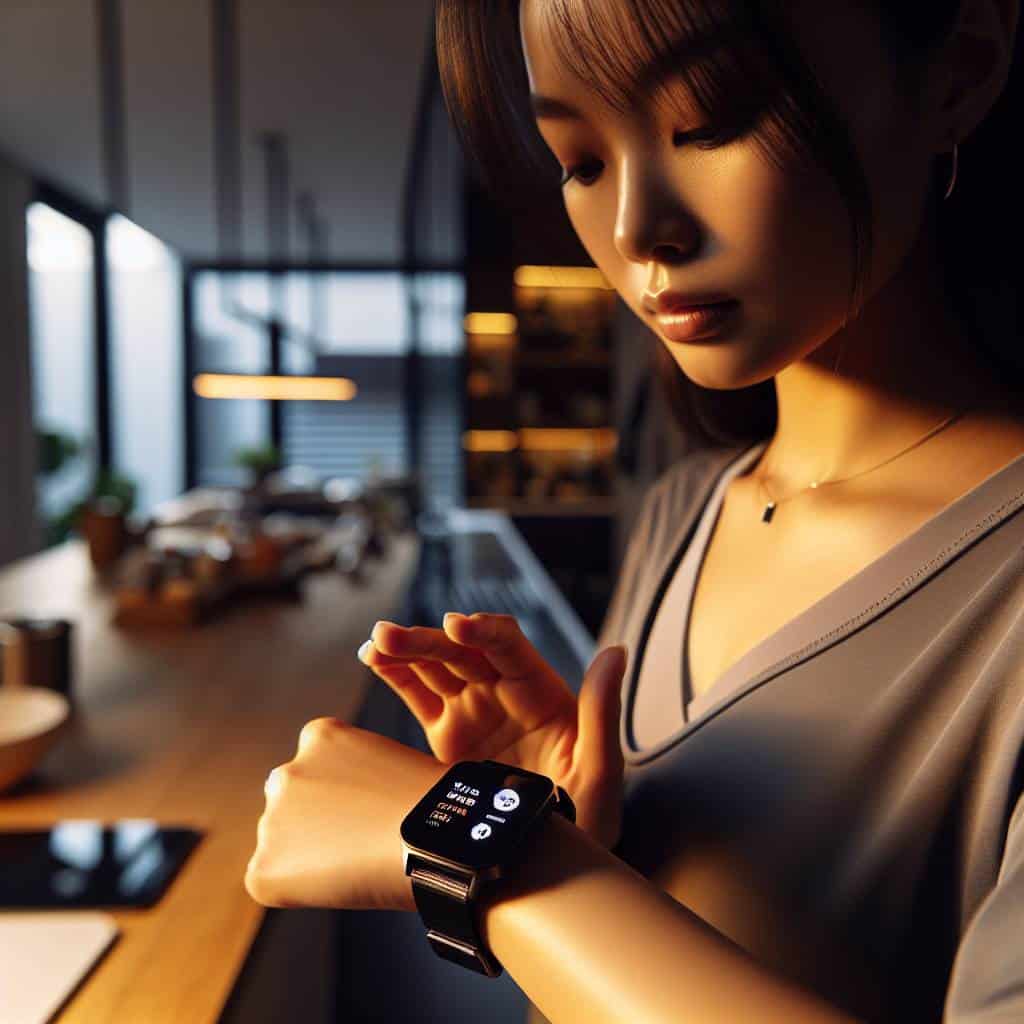
But here we are, diving headfirst into the rabbit hole of convenience versus necessity. Is the Apple Watch’s health feature arsenal really the game-changer it promises to be, or just another shiny distraction? In this article, we’ll sift through the hype and get to the crux of whether shelling out for the latest version is worth it. I’ll unpack its supposed life-changing capabilities and help you decide if it’s the sidekick you need or just a high-tech babysitter. Let’s peel back the gloss and see if this gadget is genuinely a leap forward or just another expensive toy.
Table of Contents
Is This Tiny Wrist Computer Actually Going to Save My Life?
Let’s not kid ourselves here—this tiny wrist computer, the Apple Watch, isn’t some deus ex machina poised to swoop down and save us from our Netflix-induced lethargy. But, in a world where turning off notifications feels like a rebellious act, it’s got some tricks up its sleeve that might just earn its keep on your wrist. Heart rate? Check. Blood oxygen levels? Sure. It even nudges you with a little buzz when your heart decides to practice its tap dance routine after your second cup of coffee. But let’s be clear: if you’re relying on it to save your life as you gobble down another donut, you might be asking a bit much of it.
Now, is it worth the upgrade? This thing is like having a personal trainer, cardiologist, and nagging spouse all rolled into one chic rectangle. It’ll track your sleep, remind you to breathe (because, apparently, we forget), and even alert you if it thinks you’ve fallen and can’t get up. But here’s the kicker—none of these features are going to do squat unless you actually pay attention to them. It’s easy to get caught up in the shiny newness of it all, but the truth is it’s only as life-saving as you make it. It’s a tool, not a miracle worker. So, if you’ve got the cash and the commitment to make a real lifestyle change, then maybe this little wrist computer is worth the plunge. But remember, it’s not a life raft; it’s more like a compass. It can point you in the right direction, but the journey? That’s all on you.
The Real Cost of Wrist-Worn Wellness
Diving deep into the Apple Watch’s health features might just reveal that sometimes, the real upgrade we need isn’t in tech, but in how we live our lives.
The Verdict on Our Tiny Wrist Guru
In the end, this whole Apple Watch saga has been like inviting a know-it-all friend to move in and critique my life choices. Sure, it’s got the flashy credentials and the ability to nag you with reminders about your own body, but here’s the kicker—it’s still just a watch. A fancy one, at that. It’s like hiring a life coach who also tells time, and let’s be real, some days that’s the best kind of multitasking I can handle.
But here’s where I land—it’s not about whether this wrist wizard is worth the upgrade. It’s about what you expect from your tech. If you want it to make you feel like you’re living in a sci-fi movie, by all means, indulge. But if you’re hoping it can replace good old-fashioned common sense or, heaven forbid, personal responsibility, maybe take a step back. Because at the end of the day, the most profound insights into your health and life are still the ones you find within yourself—not on a screen, no matter how sleekly designed.