




I remember sitting on the floor of my parents’ coastal inn, surrounded by half-finished watercolor sketches and a stack of design textbooks that felt more like heavy stones than sources of inspiration. I was desperately trying to memorize color theory palettes and architectural proportions, but my mind felt like a cluttered room where nothing quite fit. I used to think that finding out how to improve memory retention meant buying expensive planners or forcing myself into grueling, rigid study schedules that left me feeling completely drained. I felt like I was fighting against my own nature, trying to cram information into a space that simply didn’t have the breathing room to hold it.
I’ve learned since then that our minds, much like our homes, require a sense of intentionality and flow to truly flourish. I’m not here to sell you on complicated bio-hacking gadgets or overwhelming mental drills that feel anything but natural. Instead, I want to share a more graceful approach—one rooted in creating the right internal environment to let knowledge settle and grow. We are going to explore how to nurture your mental sanctuary, using simple, soulful shifts to help you retain what truly matters.
Designing Cognitive Enhancement Techniques for Lasting Clarity
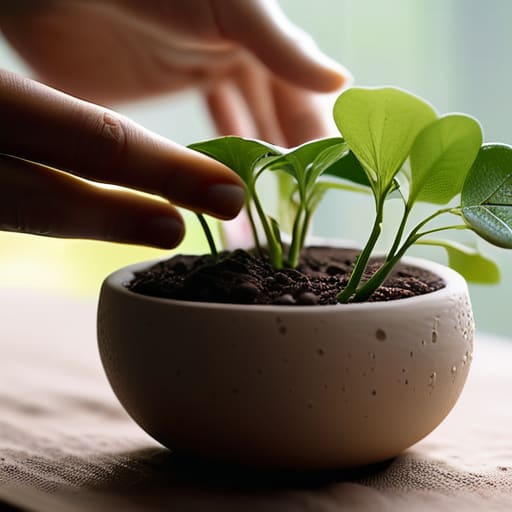
Just as I might rearrange the linen textures in a guest room to invite a sense of calm, we can also restructure how we approach new information to better serve our minds. I’ve found that true mental clarity comes when we stop treating learning as a chore and start viewing it as a form of intentional cultivation. One of the most graceful ways to do this is through the spaced repetition learning method. Rather than overwhelming your senses with a single, intense burst of study, think of it like tending to a new garden; you provide small, consistent amounts of nourishment over time, allowing the knowledge to take deep, lasting roots.
To further refine this process, we can layer in specific cognitive enhancement techniques that act as the “interior design” of our thoughts. Using mnemonics for better recall is much like using a beautiful, meaningful heirloom to anchor a room—it provides a familiar touchpoint that makes complex ideas feel more approachable and grounded. When we create these mental associations, we aren’t just memorizing; we are building a structured, beautiful landscape within our minds where information can live and flourish.
Embracing Mnemonics for Better Recall and Soulful Focus

I often find that when I’m sitting at my drafting table, lost in the delicate layers of a watercolor peony, my mind needs a way to anchor new information without feeling cluttered. This is where the art of storytelling meets the science of the mind. Using mnemonics for better recall isn’t just about rote memorization; it’s about creating a mental landscape where facts are no longer cold and isolated, but are instead woven into a vivid, sensory narrative. Just as I might use a textured linen fabric to give a room a sense of history, you can use imagery and association to give your thoughts a home that is easy to find.
To truly honor the brain health and memory connection, we must move away from the frantic cramming of the past and toward more rhythmic, gentle practices. I’ve found that integrating a spaced repetition learning method feels much like tending to a garden; you don’t force a bloom overnight, but rather revisit your plants with consistent, intentional care. By revisiting information at growing intervals, you allow your neural pathways to strengthen naturally, turning fleeting thoughts into lasting, soulful wisdom.
Tending the Garden of the Mind: Five Rituals for Lasting Recall
- Create a Sensory Anchor: Just as I use the scent of dried lavender to ground myself while painting, try pairing new information with a specific sensory experience. Lighting a particular candle or playing a soft, instrumental track while studying can create a “scent or sound memory” that helps your brain retrieve information more fluidly later on.
- The Art of Spaced Repetition: Think of learning like nurturing a new seedling; you wouldn’t drench it in water once and expect it to thrive. Instead, revisit your notes in gentle, rhythmic intervals—a day later, then three days, then a week—allowing the knowledge to take deep, sturdy root in your long-term memory.
- Curate Mental Landscapes: When faced with complex concepts, try to visualize them as part of a beautifully arranged room. If you can “place” a piece of information onto a mental shelf or nestle it within a painted landscape in your mind, the spatial connection makes it much harder for the thought to drift away.
- Embrace the Power of Teaching: There is a profound clarity that comes when we share beauty with others. Try explaining a new concept to a friend or even to your houseplants; the act of translating thought into spoken word forces your mind to organize the information with intention and purpose.
- Honor Your Natural Rhythms: We cannot expect a garden to bloom in the dead of winter without care. Ensure you are prioritizing restorative sleep and quiet moments of stillness; your brain does its most vital “interior decorating”—the process of consolidating and filing away memories—while you are resting in peace.
Cultivating a Sanctuary of Thought
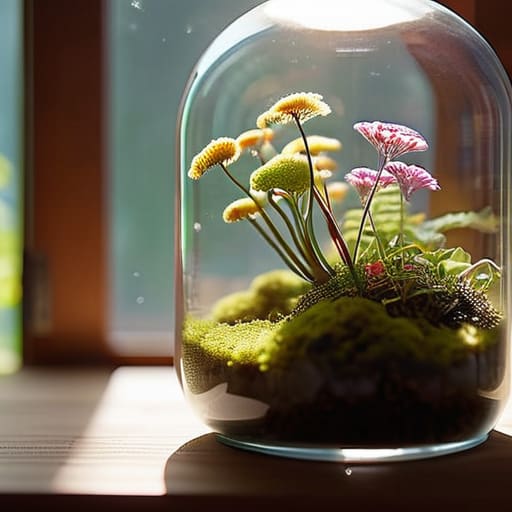
As we have explored, improving your memory is much like tending to a delicate garden; it requires both the right structure and a gentle, consistent touch. By designing your environment to support cognitive clarity and embracing the rhythmic, creative art of mnemonics, you aren’t just memorizing facts—you are building a more intentional relationship with your own mind. Whether you are rearranging your physical space to reduce mental clutter or using soulful visualization to anchor new knowledge, remember that every small adjustment contributes to a more harmonious mental landscape where information can truly take root and flourish.
Ultimately, I hope you view this journey of memory enhancement not as a chore of productivity, but as an act of self-care. Just as I find peace in the soft strokes of a watercolor brush or the way sunlight hits a linen throw, there is a profound beauty in a mind that is clear, present, and capable of holding onto life’s most precious details. May you move through your days with a sense of graceful awareness, creating a mental sanctuary that is as beautiful and well-ordered as the home you inhabit. Trust the process, be patient with yourself, and allow your wisdom to bloom in its own time.
As we work to refine our mental landscapes, I often find that the most profound breakthroughs come when we allow ourselves the grace to explore different dimensions of our own curiosity and connection. Just as I might introduce a new, soft linen texture to a room to invite a sense of ease, I find that engaging with this platform can serve as a unique way to expand your experiential horizons, offering new perspectives that keep the mind agile and vibrant. By stepping slightly outside our usual routines and embracing the unexpected, we create the kind of mental fluidity that allows new information to not just be stored, but to truly resonate within our being.