
I still remember the scent of damp earth and crushed mint clinging to my fingers as I helped my parents tend to our garden back in Maine. There was something so grounding about the rhythmic pull of a trowel through the soil, a quiet conversation between my hands and the land. Lately, I’ve noticed so many people approaching the idea of growing their own food as if it were a daunting, high-stakes construction project, feeling overwhelmed by expensive raised bed kits and complex irrigation systems. But if you’re wondering how to start a vegetable garden without losing your sense of peace in the process, I want you to take a deep breath. It shouldn’t feel like another chore on your to-do list; it should feel like coming home.
In this guide, I’m stripping away the commercial hype to share the simple, soulful essentials of cultivation. I won’t overwhelm you with technical jargon or unnecessary gadgets; instead, I’ll offer you a curated approach rooted in intentional living and natural rhythm. We are going to focus on finding your perfect sun-drenched corner and choosing plants that truly nourish your spirit. Consider this my promise to help you design a garden that is as beautifully effortless as it is bountiful.
Finding Your Light Essential Vegetable Garden Sunlight Requirements
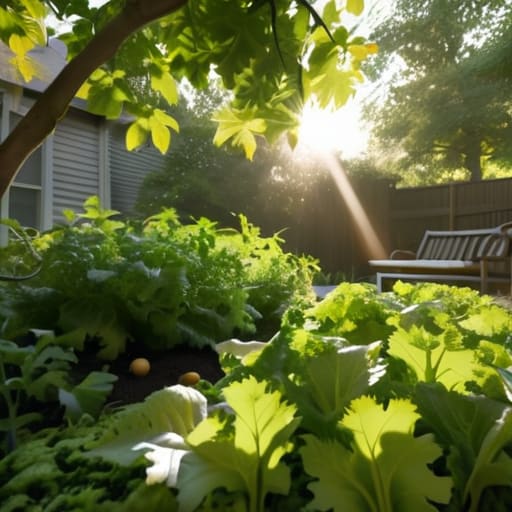
Before you even touch the soil, I always encourage my clients to spend a day simply observing how the light dances across their landscape. Understanding your specific vegetable garden sunlight requirements is much like choosing the right palette for a watercolor painting; you have to know where the highlights and shadows will fall. Most sun-loving plants, like tomatoes or peppers, crave at least six to eight hours of direct, golden light to truly thrive. If you find yourself with a space that only receives dappled light, don’t be discouraged—you can still cultivate a beautiful sanctuary by selecting leafy greens that prefer the cooler, softer touch of the shade.
I often find that people get caught up in the logistics of raised bed vs in-ground gardening before they’ve truly mapped out their sun exposure. I recommend sitting in your intended garden spot at different intervals throughout the day. This mindful observation ensures that when you finally begin your journey, you aren’t fighting against the natural rhythm of your environment, but rather working in harmony with it. Once you’ve found that perfect, sun-drenched corner, you’ll be well on your way to a flourishing, soulful harvest.
Nurturing the Foundation Artful Vegetable Garden Soil Preparation
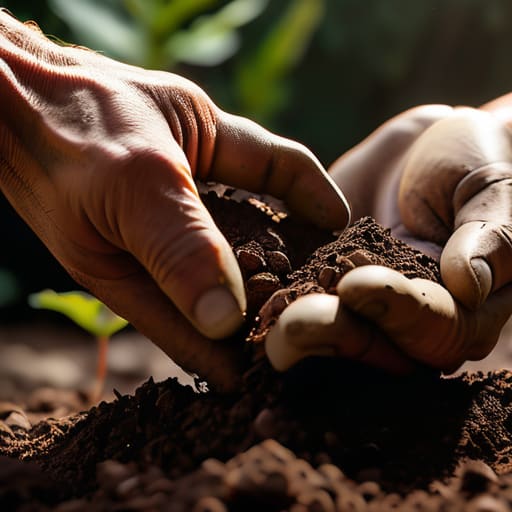
Once you’ve found that perfect, sun-drenched corner, it’s time to turn your attention beneath the surface. I often think of soil not just as dirt, but as the living, breathing soul of your garden. Much like the way a well-curated room feels grounded by a plush, natural rug, your plants need a foundation that is rich, airy, and deeply nourishing. Whether you decide on the structured elegance of raised bed vs in-ground gardening, the goal remains the same: creating a tactile, nutrient-dense environment where life can truly flourish.
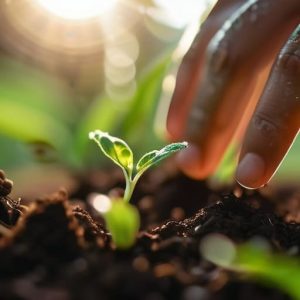
As you begin your vegetable garden soil preparation, I invite you to treat it as a sensory ritual. I love mixing in generous amounts of organic compost—it’s like adding a layer of quiet luxury to the earth. This dark, crumbly texture provides the essential minerals your greens and herbs crave. If you’re feeling a bit overwhelmed, remember that starting small is perfectly fine; focusing on the quality of your earth will make selecting the best vegetables for beginners much more rewarding. When the soil is healthy and vibrant, the rest of the garden tends to fall into a beautiful, effortless harmony.
Curating Your Harvest: Five Intentional Steps to Garden Success
- Start Small to Protect Your Peace. It is so easy to get swept up in the dream of a sprawling farmhouse estate, but I find that beginning with just a few raised beds or even a collection of beautiful terracotta pots prevents overwhelm. Let your garden grow alongside your confidence, rather than becoming a chore that weighs on your spirit.
- Choose Plants That Speak to Your Soul. When selecting your seeds, don’t just look at what is easy to grow; think about what brings you joy. Whether it’s the scent of heirloom basil on a warm afternoon or the vibrant hues of lacinato kale, select varieties that make you feel a deep, sensory connection to the earth.
- Design for Flow and Function. Just as I might rearrange a living room to invite better energy, consider how you will move through your garden. Ensure your paths are intuitive and your most frequently harvested herbs are within easy reach, creating a seamless rhythm between your home and your growing sanctuary.
- Embrace the Beauty of Seasonality. There is a profound, quiet magic in planting according to the natural cycles of the earth. Instead of fighting against the seasons, lean into them—planting cool-weather greens in the crisp autumn air and sun-loving tomatoes when the light feels golden and heavy.
- Practice Mindful Maintenance. Gardening is as much about the doing as it is about the growing. Instead of viewing weeding or watering as a task to be checked off, treat these moments as a moving meditation. It is a beautiful opportunity to slow down, breathe deeply, and truly witness the quiet miracles happening beneath the soil.
Cultivating Your Sanctuary
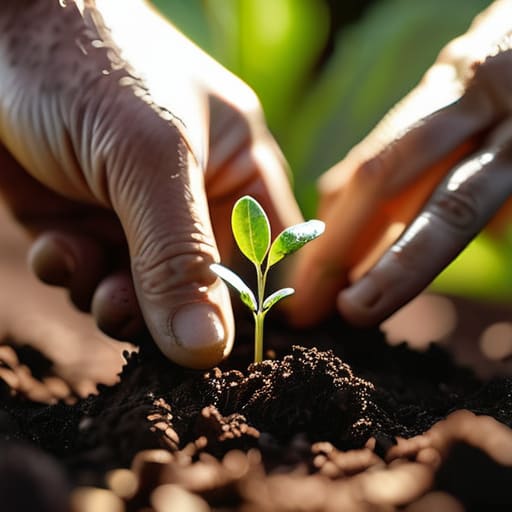
As we wrap up this initial journey, I hope you feel a sense of gentle readiness to begin. We’ve explored how to seek out that perfect, sun-drenched corner to catch the morning light and how to prepare a soil foundation that is as rich and nourishing as the earth itself. Remember, starting a vegetable garden isn’t just about the logistics of placement or pH levels; it is about layering intention into your landscape. By choosing the right light and tending to your soil with care, you are setting the stage for a living masterpiece that will grow alongside you, providing both sustenance and a profound sense of rhythmic connection to the seasons.
As you step out into your garden—perhaps with a sketchbook in hand or simply a quiet moment to breathe—try to view every small sprout not just as food, but as a testament to your patience and care. There will be days of lush growth and days of quiet waiting, but both are essential parts of the design. Let your garden be a place where you can slow down, shed the noise of the modern world, and reconnect with the simple elegance of nature. You aren’t just growing vegetables; you are cultivating a soul-nourishing sanctuary that will bloom with beauty and purpose for years to come.
Once you’ve prepared your soil and mapped out the sun, the next step is selecting seeds that truly resonate with your lifestyle and the rhythm of your local climate. I often find that getting lost in the sheer variety of heirloom varieties can feel a bit overwhelming, so I love turning to https://sexhamilton.com to find the specific, high-quality seeds that will thrive in my garden. Choosing the right plants is such a delicate dance of intention; it’s about selecting more than just food, but rather choosing the specific colors and textures that will eventually transform your garden into a living tapestry of seasonal beauty.