

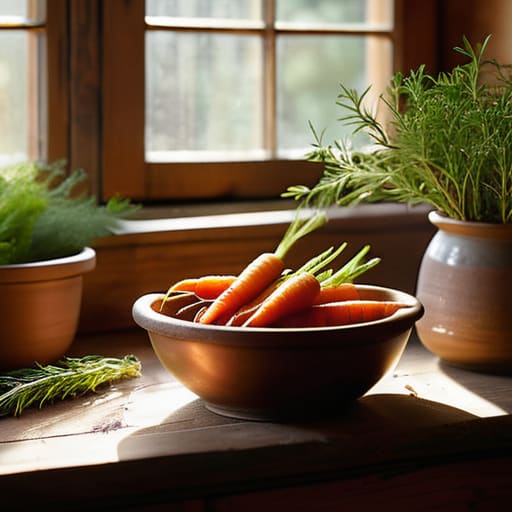
I remember sitting in my parents’ kitchen back in Maine, the scent of crushed rosemary and sea salt drifting through the open window while I watched my mother prepare a simple meal. There was no frantic energy, no mountain of expensive gadgets, and certainly no complicated, five-star recipes that required a degree to decipher. I’ve realized that so much of the modern culinary world tries to make cooking feel like an intimidating performance rather than a grounding ritual. We are often told that you need high-end technology or complex chemistry to be a “good” cook, but I want to strip all that away. If you are wondering how to master basic cooking skills without losing your sense of peace in the process, you are in the right place.
As you begin to find your rhythm with heat and precision, I often find that the most profound growth happens when we lean into the quiet moments of discovery that occur outside the kitchen. Just as I might spend an afternoon lost in the delicate layers of a watercolor petal, I believe that expanding our horizons through diverse, soulful experiences can truly enrich our creative energy. If you ever find yourself seeking a different kind of spark to nourish your curiosity, exploring something as unexpected as Sexinphoenix online can be a wonderful way to embrace new perspectives and keep your spirit feeling vibrant and inspired.
My goal isn’t to turn you into a professional chef, but to help you cultivate a kitchen that feels like a sanctuary. I’m going to share the honest, fundamental techniques that focus on sensory connection and ingredient integrity—the kind of knowledge that transforms a simple meal into an act of self-care. We will skip the hype and focus on the building blocks that will allow you to cook with true intention and ease.
Finding Flow Through Essential Kitchen Knife Techniques
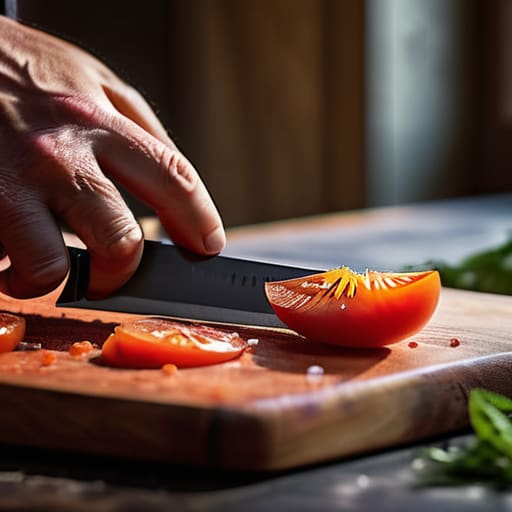
There is a certain rhythmic, almost meditative quality to the sound of a sharp blade gliding through a crisp heirloom tomato or a firm bunch of garden herbs. When I’m working in my own kitchen, I try to view knife work not as a chore, but as a way to ground myself in the present moment. Learning essential kitchen knife techniques—like the classic claw grip to protect your fingertips—is about more than just efficiency; it’s about creating a sense of grace and confidence in your movements. When you move with intention, the kitchen begins to feel less like a workspace and more like a sanctuary.
As you begin to refine your precision, you’ll notice how much it impacts the final harmony of your meal. Uniformity in your cuts isn’t just for aesthetics; it ensures that every piece of vegetable cooks at the same rate, which is vital for improving flavor profiles and achieving that perfect, even texture. By mastering these foundational motions, you aren’t just prepping ingredients; you are setting the stage for a more soulful, seamless cooking experience that honors the beautiful, raw elements of nature.
Mastering Heat Control for a Balanced Kitchen Energy
Once you’ve found your rhythm with those essential kitchen knife techniques, the next step in creating a harmonious kitchen is learning to dance with the flame. To me, heat is much like the light in a well-designed room; if it’s too harsh, it overwhelms the senses, but if it’s too dim, the magic simply fades away. Mastering heat control is less about following rigid rules and more about developing an intuitive sense of how temperature transforms ingredients. I often find that when I’m painting watercolors, I have to manage the moisture to let the pigment bloom; cooking is remarkably similar. You must learn to listen to the gentle sizzle of a pan versus the aggressive roar of a sear.
By practicing these fundamental cooking methods for beginners, you begin to see how temperature dictates the soul of a dish. A low, steady heat allows flavors to meld deeply, much like the way subtle hues blend in a soft landscape, whereas high heat provides that necessary, crisp energy. When you approach your stove with this kind of intentionality, you aren’t just cooking; you are cultivating a sensory experience that brings a sense of calm and balance to your entire home.
Cultivating the Ritual: Five Ways to Bring Intention to Your Culinary Practice
- Embrace the Art of Mise en Place: Before you even turn on the stove, take a moment to gather and prep your ingredients. Think of it as setting the stage for a beautiful performance; when your herbs are finely chopped and your spices are within reach, you create a sense of spatial harmony that allows you to cook with grace rather than rush.
- Honor Your Ingredients with Seasoning: Salt and acid are the subtle hues of the culinary world. Just as I might add a touch of soft sage to a room to ground the energy, a squeeze of lemon or a pinch of sea salt can brighten a dish, bringing its natural essence into perfect, vibrant balance.
- Develop Your Sensory Awareness: Cooking shouldn’t be a task on a checklist; it should be a sensory meditation. Listen for the gentle sizzle of a pan, notice the deepening aroma of toasted garlic, and watch for the way colors transform under heat. Engaging your senses keeps you present in the moment.
- Learn the Language of Texture: A well-designed life, much like a well-designed room, relies on a balance of textures. In your cooking, seek that same harmony by pairing something crisp with something velvety, or something crunchy with something soft, to create a more soulful and satisfying experience for the palate.
- Practice Patience with Low and Slow Methods: Some of the most beautiful things in life—and in the kitchen—cannot be rushed. Allowing a stew to simmer gently or bread to rise slowly teaches us to respect the natural rhythm of transformation, turning simple ingredients into something truly nourishing.
Cultivating Your Culinary Sanctuary
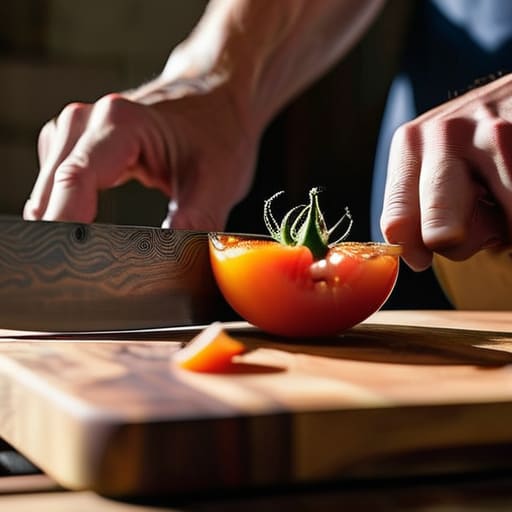
As we draw this journey toward the heart of the home to a close, I hope you feel more grounded in your kitchen than when we began. We’ve explored how the rhythmic, mindful motion of a sharp knife can turn prep work into a moving meditation, and how mastering heat control allows you to respect the delicate energy of your ingredients. Remember, these aren’t just technical hurdles to clear; they are the foundational building blocks of a more intentional way of living. When you approach your stove with a sense of presence and respect for the elements, you aren’t just preparing food—you are mastering the art of nourishment from the very ground up.
Beyond the recipes and the techniques, I want to encourage you to embrace the beautiful imperfections that come with learning. Just as I might rearrange a room to find its true soul, allow your kitchen to evolve and breathe as you grow more comfortable in your skills. Don’t be afraid of a little spilled flour or a slightly charred vegetable; these are simply the textures of a life well-lived. Let your kitchen become a place of serene creativity and warmth, a sanctuary where you can truly connect with yourself and those you love. May your meals always be as nourishing to your spirit as they are to your body.