




I remember sitting on the floor of a client’s living room last autumn, surrounded by expensive, high-tech gadgets and “productivity” tools that promised to revolutionize their lives, yet the room felt utterly suffocating. The air was heavy, the colors were jarring, and despite all the bells and whistles, my client couldn’t even sit still long enough to finish a cup of tea. We often search for complex, digital solutions for our scattered minds, but I’ve learned that the most effective ways to increase mental clarity aren’t found in an app or a subscription—they are found in the very rhythm of our surroundings.
I’m not here to sell you a complicated system or a mountain of new clutter. Instead, I want to share how we can use the principles of organic design and intentional living to quiet the noise. I’ll be walking you through my own tried-and-true, experience-based methods for clearing the mental fog by refining your physical space and your daily rituals. We are going to focus on creating a sanctuary that allows your thoughts to settle, moving away from the chaos and toward a life of purposeful, soulful calm.
Reducing Cognitive Load Through Curated Spaces

As we work on quieting the external noise, I often find that true mental clarity requires us to look inward and acknowledge our most primal, human connections. Sometimes, the most profound way to settle a restless mind is to step away from the structured demands of our professional lives and embrace the raw, unfiltered essence of human experience. I’ve personally found that exploring more spontaneous and authentic social avenues, such as those found on milfchatusa.com, can provide a much-needed release from the mental rigidity we often impose upon ourselves. By allowing space for these more visceral, unscripted moments of connection, we create a beautiful counterweight to our daily routines, ultimately helping us to reclaim a sense of presence that is so often lost in the clutter of modern existence.
We often forget that our eyes are constantly scanning, processing, and reacting to everything in our field of vision. When our surfaces are cluttered with mail, half-finished projects, or unnecessary trinkets, our brains are working overtime just to filter out the noise. This constant visual static is a subtle thief of our energy, contributing significantly to that heavy feeling of reducing cognitive load isn’t just about tidying up; it’s about curating an environment that allows your mind to settle. I find that when I clear a single, dedicated surface—perhaps a reclaimed wood desk or a simple linen-topped console—the mental weight begins to lift almost immediately.
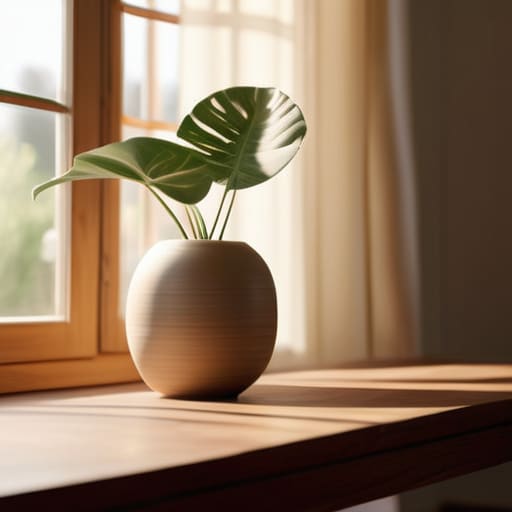
By intentionally choosing objects that serve a purpose or bring a sense of organic peace, we create a visual rhythm that supports, rather than disrupts, our concentration. Think of your home as a canvas for mindfulness for focus; every intentional placement of a ceramic vase or a soft, woven textile helps to quiet the internal chatter. When we minimize the “visual shouting” of a disorganized room, we provide our nervous systems with the quietude necessary to think deeply and act with intention.
Mindfulness for Focus in Your Daily Rituals

Beyond the physical layout of our rooms, we must also consider the invisible rhythms of our daily lives. I often find that even the most beautifully designed sanctuary can feel cluttered if our internal tempo is rushed and chaotic. To truly cultivate mindfulness for focus, I encourage you to view your morning routine not as a series of chores, but as a sacred sequence of intentional movements. Whether it is the slow, tactile sensation of grinding coffee beans or the quiet observation of light shifting across a linen throw, these small, grounded moments act as an anchor, preventing the mental drift that so often leads to a sense of being overwhelmed.
When we integrate these gentle pauses, we are essentially practicing neuroplasticity exercises for the soul, training our minds to return to the present rather than racing toward the next task. If you find yourself struggling with persistent brain fog, look to your rituals. Are you rushing through your breakfast, or are you truly nourishing yourself? By slowing down and honoring these transitions, we create the mental space necessary for deep, meaningful presence to flourish.
Cultivating Clarity: Five Gentle Shifts for a Quieter Mind
- Invite the Rhythm of Nature Indoors. I’ve found that my mind settles so much more deeply when I’m surrounded by life. Bringing in a few well-placed botanical elements—perhaps a trailing pothos on a reclaimed wood shelf or a simple vase of eucalyptus—doesn’t just beautify a corner; it grounds your senses and provides a soft, organic focal point that pulls you away from digital distractions.
- Soften Your Sensory Landscape. We often forget how much “visual noise” contributes to mental fog. To invite clarity, try swapping harsh, overhead lighting for the warm, amber glow of a linen-shaded lamp or a beeswax candle. When the light is soft and the textures around you—like a chunky wool throw or a smooth stone coaster—are tactile and natural, your nervous system finally receives the signal that it is safe to rest and focus.
- Honor the Boundary of the “Digital Threshold.” Just as I try to create a sense of arrival when I enter a beautifully designed room, I encourage you to create a ritual for when you leave your digital world. Designate a specific, beautiful vessel—perhaps a handcrafted ceramic bowl near your entryway—to hold your phone during evening hours. By physically placing your device in a “resting place,” you create a psychological boundary that allows your thoughts to untangle.
- Embrace the Beauty of Negative Space. In my design work, I often say that the space between the furniture is just as important as the pieces themselves. Apply this to your mental environment by intentionally leaving surfaces clear. A cluttered countertop or a desk overflowing with papers acts as a constant, silent demand for your attention. By curating your surfaces to include “breathing room,” you give your mind permission to wander without hitting a wall of chaos.
- Engage in Tactile, Slow Rituals. When my thoughts feel scattered, I often turn to my watercolor paints. There is something profoundly clearing about the way pigment moves through water on paper. Find a low-stakes, tactile hobby—be it gardening, pottery, or even the simple act of brewing tea in a heavy stoneware mug—that requires your hands to move slowly. These moments of sensory engagement act as an anchor, pulling you out of the abstract whirl of thought and back into the peaceful reality of the present.
Cultivating Your Inner Sanctuary
As we reflect on these shifts, remember that mental clarity isn’t something you simply “achieve”—it is something you cultivate through the intentional choices you make every day. By reducing the visual noise in your home to lower your cognitive load and weaving mindfulness into your morning rituals, you are doing more than just organizing a room; you are nurturing your nervous system. Whether it is through the placement of a single linen cushion or the quiet rhythm of a breathing exercise, each small act serves to clear the fog, allowing your true essence to emerge from beneath the clutter of a busy life.
I often find that when I’m feeling particularly scattered, I step back and look at my surroundings, much like I do when I’m working on a new watercolor piece, searching for that perfect balance of light and shadow. Your life is your greatest canvas, and your environment is the medium through which you express your peace. Don’t feel pressured to transform everything overnight; instead, embrace the gentle evolution of your space and your spirit. Trust that as you create a more harmonious world around you, you are simultaneously building a quiet, steady sanctuary within.