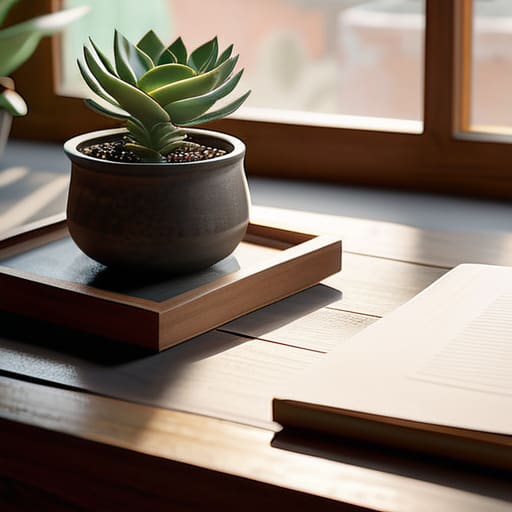




I remember sitting in my parents’ coastal inn back in Maine, watching the soft, blue light of dawn creep across the wooden floorboards while the scent of salt air drifted through the screen door. For years, I thought that being “productive” meant waking up at 4:00 AM to a jarring alarm and a frantic checklist of chores. I used to believe that the secret to success was a high-octane, rigid schedule, but I was actually just exhausting my spirit before the sun was even fully up. I’ve realized that learning how to improve morning productivity isn’t about forcing yourself into a mechanical routine; it’s about designing a gentle, intentional transition from sleep to life.
As you begin to weave these mindful habits into your morning, you might find that having a dedicated space for reflection helps deepen your sense of calm. I often find that even a small, intentional corner—perhaps a soft linen chair near a window—can act as a gentle anchor for your spirit. If you’re looking for more ways to explore how lifestyle and environment intersect, I’ve found a lot of inspiration through this platform, which offers wonderful perspectives on cultivating a more intentional life. Taking that extra moment to connect with your surroundings can truly transform your entire day into a seamless flow of purpose and peace.
In this guide, I want to move away from the loud, aggressive “hustle culture” advice that leaves you feeling depleted. Instead, I’m sharing my own experience-based approach to crafting a morning that feels as harmonious and nourishing as a well-designed room. We’ll explore how to use your physical environment and natural rhythms to create a sense of ease, ensuring your first few hours of the day serve as a soulful foundation rather than a frantic race against the clock.
Optimizing Circadian Rhythm Through Natural Light

One of my favorite ways to gently nudge the soul into wakefulness is by inviting the sun into our living spaces. I often find that even when I’m staying in a temporary space, my first instinct is to pull back the heavy drapes to let the soft, early light wash over the room. This simple act is a cornerstone of optimizing circadian rhythm, as it signals to our internal biological clock that the period of rest has gracefully concluded. When we bathe our eyes in natural light shortly after waking, we aren’t just seeing the day; we are physically priming our bodies for alertness and sustained energy.
To make this a seamless part of your morning routine for focus, try to spend at least ten minutes near a window or, if your garden allows, stepping outside entirely. There is something so restorative about the way the cool, morning air meets the warmth of the rising sun. By prioritizing this connection to natural light cycles, you begin to soften the transition from sleep to activity, creating a rhythmic flow that feels less like a jarring alarm and more like a natural awakening.
Morning Mindfulness Practices to Center Your Spirit

Beyond the physical environment, how we tend to our inner landscape determines the quality of our entire day. I’ve found that incorporating gentle morning mindfulness practices acts as a soft buffer against the frantic pace of modern life. Instead of reaching for your phone the moment you wake, try spending just five minutes sitting by a window with a warm cup of herbal tea. As I practice my botanical watercolors, I often find that observing the subtle shifts in light or the delicate veins of a leaf helps ground my senses. This quiet observation allows you to settle into your body before the external world begins to demand your attention.
Creating this mental stillness is one of the best habits for early risers who wish to move through their tasks with grace rather than grit. By dedicating these early moments to breath or intention, you are essentially reducing morning decision fatigue before it even begins. When your spirit is centered, you no longer have to fight against a sense of chaos; instead, you move through your morning with a quiet, steady purpose that carries you beautifully into your work.
Nurturing Your Morning Momentum: Five Intentional Rituals
- Curating a Low-Stimulus Environment: Before you reach for your phone, try to keep your first hour screen-free. Instead of letting a flood of digital noise dictate your mood, allow your mind to wake up slowly. I find that sipping a warm cup of tea while simply watching the light shift across a textured linen pillowcase helps me feel grounded before the day’s demands begin.
- The Art of the Prepared Space: Much like how I love to rearrange a room to find its perfect flow, I find that preparing my workspace the night before creates a seamless transition into productivity. Setting out a fresh journal or clearing a small corner of your desk allows you to step into your work with a sense of calm readiness rather than immediate chaos.
- Incorporating Gentle Movement: You don’t need a high-intensity workout to awaken your body; rather, think of it as inviting energy back into your limbs. A few minutes of soft stretching or a slow walk through a local garden can act as a gentle bridge between sleep and activity, helping your physical self catch up to your mental intentions.
- Hydration as a Sensory Ritual: We often forget how much our vitality depends on simple, natural elements. Instead of rushing through a caffeinated beverage, treat your first glass of water as a mindful act. Using a beautiful ceramic tumbler or adding a slice of lemon can turn a basic biological need into a small, elegant moment of self-care that awakens your senses.
- Single-Tasking with Purpose: To truly foster productivity, we must resist the urge to multitask, which often feels like a cluttered room that lacks breathing room. Choose one meaningful task—perhaps writing in your gratitude journal or planning your most important goal for the day—and give it your undivided attention. This focused intention creates a steady, rhythmic energy that carries you beautifully through the afternoon.
Nurturing Your Morning Rhythm

As we reflect on these shifts, remember that improving your morning productivity isn’t about squeezing more tasks into a frantic schedule; it is about designing a container that holds your energy with care. By inviting the gentle warmth of natural light to reset your internal clock and carving out those quiet moments of mindfulness, you are essentially setting the stage for a more harmonious day. Whether it’s the way the sun hits your favorite linen chair or the stillness of your first sip of tea, these intentional choices work together to create a rhythmic flow that supports both your output and your well-being.
Ultimately, I hope you view your morning routine not as a rigid set of rules, but as a beautiful, evolving ritual—much like the way a garden grows, one intentional layer at a time. Be patient with yourself as you experiment with your space and your spirit, perhaps even rearranging a small corner of your home to better catch the dawn. When you treat your mornings as a sacred prelude to the rest of your life, you aren’t just getting more done; you are cultivating a life lived with profound purpose and grace.