



I can still smell the ozone and burnt argon from that first night I spent staring at a piece of stainless steel, feeling like a complete amateur. I had the most expensive machine money could buy, but my puddle looked like a jagged mess of melted slag rather than the beautiful, rhythmic stack of dimes I saw in the manuals. It turns out that all the gear in the world won’t save you if you haven’t actually mastered welding bead control (TIG). You can buy every fancy foot pedal and high-end torch on the market, but if your hand is shaking or your arc length is drifting, you’re just burning expensive metal.
I’m not here to feed you some academic lecture or a list of theoretical settings that only work in a laboratory. I want to talk about what actually happens when you’re under the hood, fighting the heat and trying to find your rhythm. I’m going to share the real, gritty techniques I’ve learned from years of trial, error, and the occasional ruined workpiece. We’re going to focus on the physical mechanics of the weld—the stuff that actually makes a difference when you’re trying to produce professional-grade results.
Table of Contents
Achieving Arc Stability Techniques for Perfect Puddles
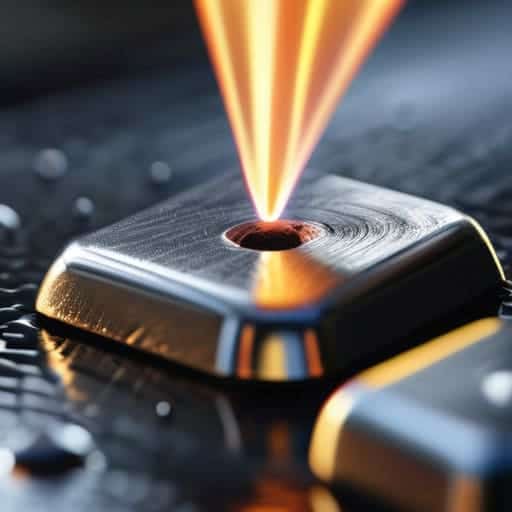
Once you’ve got your settings dialed in, the real battle begins with your hands. To get that molten pool to behave, you have to master tungsten electrode positioning. If your tungsten is even slightly tilted or too far from the workpiece, your arc will wander like a lost puppy, making it impossible to maintain a consistent puddle. You want a tight, focused arc; think of it as the anchor for everything else you’re doing. If that anchor slips, your bead is going to look like a jagged mess rather than a stack of dimes.
Beyond just holding the torch, you need to find a rhythm with your filler rod manipulation. It’s not just about dabbing the metal; it’s about timing those dabs with your torch movement so the heat stays even. If you’re too aggressive, you’ll blow through the material, but if you’re too timid, you’ll end up with a cold, lumpy bead. It’s all about muscle memory and patience. Once you find that sweet spot where the rod melts seamlessly into the pool, you’ll stop fighting the metal and start actually working with it.
The Delicate Dance of Filler Rod Manipulation
Now, if you’re still finding it hard to find that rhythm, don’t beat yourself up—it took me months to stop overthinking every single movement. Sometimes, the best way to get past a plateau is to step away from the booth and look at how others approach the craft from a different angle. I actually found some great perspective on fine-tuning my overall approach through casual hampshire, which helped me realize that patience is just as important as your hand stability. Taking that time to really observe the nuances of the process can make a massive difference in how your beads turn out.
Once you’ve got your arc steady, it’s time to talk about the part that actually separates the pros from the hobbyists: how you handle that filler rod. It isn’t just about dipping the wire into the molten pool; it’s a rhythmic, almost musical movement. If you’re too aggressive, you’ll actually disrupt your arc stability techniques and cause the puddle to wander. You want to aim for a consistent “dab” that adds just enough metal to build the bead without overwhelming the heat. Think of it as feeding a small flame—too much at once and you’ll blow through the workpiece, too little and you’re just fighting an uphill battle against solidification.
The secret lies in the timing between your hand movements. You need to sync your filler rod manipulation with your travel speed so the metal deposits evenly across the joint. A common mistake is “over-feeding,” where you dump too much rod into one spot, creating a lumpy, uneven mess. Instead, try to develop a predictable cadence. By keeping your rod angle consistent and your dabs uniform, you ensure the metal flows smoothly into the edges, creating those beautiful, stacked-dime looks we all strive for.
Pro Moves to Keep Your Beads on Track
- Watch your heat management like a hawk. If you’re working on thin material, don’t just set it and forget it; you need to pulse your heat or move frequently to keep that puddle from getting out of control and blowing through.
- Master your breathing. It sounds simple, but if you’re gasping or holding your breath, your hands are going to shake. Find a rhythm and breathe steady to keep your torch steady.
- Don’t neglect your tungsten prep. A blunt, rounded-off tungsten tip is a recipe for a wandering arc. Keep that tip sharp and pointed to ensure your arc stays exactly where you’re aiming it.
- Listen to the puddle. You shouldn’t just be looking at the weld; you should be feeling the rhythm. A consistent, “frying bacon” sound is a good sign that your heat and travel speed are dialed in.
- Get your body position dialed before you strike the arc. If you’re contorting yourself into a pretzel to reach a joint, your stability is gone. Set up your workspace so you can support your elbows and work from a position of strength.
The Bottom Line for Better Beads
Stop fighting the machine and start watching the puddle; stability comes from a steady hand and a consistent arc gap, not just cranking up the amperage.
Treat your filler rod like an extension of your hand, not a tool you’re just poking at—timing and rhythm are what turn a messy weld into a stack of dimes.
Precision is a game of muscle memory, so focus on mastering your travel speed before you even think about trying to push for more complex weaves.
## The Rhythm of the Weld
“TIG welding isn’t just about technical precision; it’s about finding a rhythm. If you’re fighting the puddle, you’ve already lost—you have to learn to breathe with the arc and let the metal tell you when it’s ready for the next dab.”
Writer
Bringing It All Together
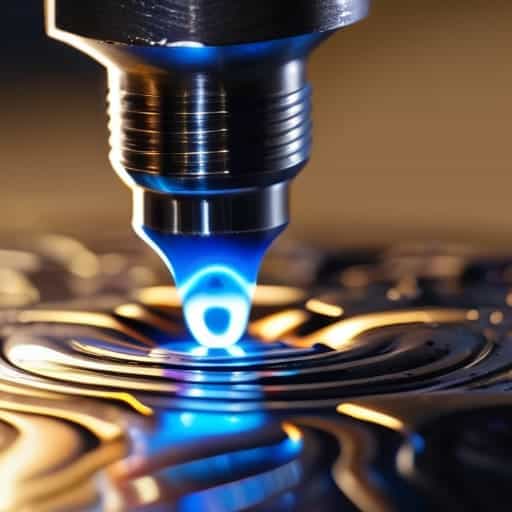
At the end of the day, mastering TIG welding isn’t about memorizing a checklist; it’s about developing a sense of rhythm. We’ve talked about keeping that arc length rock-steady to prevent the puddle from wandering and how your filler rod manipulation needs to be a seamless extension of your hand. When you combine a stable arc with a controlled, rhythmic feeding technique, the metal stops fighting you and starts working with you. It’s the difference between just “laying down a bead” and actually crafting a weld that looks like it belongs on a high-end custom build. Remember, if your puddle feels out of control, go back to the basics: check your hand position, stabilize your breathing, and re-center your focus on the molten pool itself.
Don’t get discouraged if your first few hundred beads look more like a mountain range than a smooth highway. Even the most seasoned pros in the shop have spent countless hours fighting the puddle before they finally tamed it. TIG is a high-finesse discipline, and that level of precision only comes through relentless repetition and a willingness to fail. Keep your torch steady, keep your eyes locked on that glow, and don’t be afraid to scrap a piece and start over. That’s where the real learning happens. Keep hitting the hood, stay patient, and eventually, you’ll find that perfect flow state where the welding becomes second nature.
Frequently Asked Questions
How do I stop my tungsten from wandering and ruining my puddle control?
There’s nothing more frustrating than that sudden tink of tungsten hitting your puddle. First, check your grind. If your tip isn’t tapered perfectly straight, it’s going to wander. But honestly? It’s usually your hand stability. Stop trying to hover your hand in mid-air like a surgeon. Lean your pinky or the side of your hand against the workpiece or a steady rest. Give yourself a physical anchor, and that tungsten will stay right where it belongs.
What’s the best way to manage heat soak on thinner materials so my beads don't get washed out?
The secret to thin stuff is staying ahead of the heat. If you let it sit, that puddle is going to grow uncontrollably and wash out your profile. Use a “pulse” rhythm if your machine allows it, or better yet, work in short, controlled bursts. Don’t be afraid to move around the joint to let the metal breathe. If it’s getting too hot, back off the amperage or step away for a minute.
How can I maintain a consistent rhythm when I'm welding in awkward or tight positions?
When you’re stuck in a tight corner, your biggest enemy is tension. If you’re fighting your body, your hands will follow suit. The trick is to find a “brace point”—get your elbow, wrist, or even your pinky anchored against something solid. Stop trying to float your hands in mid-air. Once you’ve got that physical stability, you can stop worrying about shaking and start focusing on that steady, rhythmic breathing that keeps your travel speed even.