



I used to be that guy who scoffed at the idea of saving the planet, while nonchalantly tossing plastic bottles into the trash like they were confetti at a parade. It wasn’t that I didn’t care about Mother Earth—I just figured she was tough enough to handle my lazy habits. Then came the day I opened my utility bill and nearly fainted. It was like Mother Nature herself had popped out of the envelope to slap me with a reality check. Suddenly, my indifference felt as outdated as last year’s smartphone. I realized I could either continue living in blissful ignorance or start making some changes that might actually matter.

So here’s the deal. I’m going to take you on a little journey through the wild world of reducing your carbon footprint at home. We’ll dive into the nitty-gritty of energy conservation, explore the curious case of food waste, and even touch on sustainable shopping. I’m not promising a guilt-free existence or a blueprint to sainthood. But I will offer a few practical ideas that might just help you feel a little less like an environmental hypocrite.
Table of Contents
- The Day I Realized My Energy Bill Was Basically A Donation To The Oil Industry
- The Not-So-Secret Life of My Appliances
- Food Waste: The Uninvited Houseguest
- From Guilt to Grit: My Unorthodox Journey to a Leaner Carbon Footprint
- How I Stopped Pretending and Actually Reduced My Carbon Footprint
- When Convenience Isn’t King
- The Suburban Skeptic’s Guide to Shrinking Your Carbon Footprint
- The Real Cost of Conscious Living
The Day I Realized My Energy Bill Was Basically A Donation To The Oil Industry

It hit me one sweltering summer afternoon, as I sat in my poorly insulated living room, clutching my energy bill like it was a ransom note. I realized I was throwing money into the great abyss of fossil fuel profits. Every flick of a switch, every buzz of the AC—just another dollar tossed into the gaping maw of the oil industry. And it wasn’t just my wallet screaming for mercy; it was the planet too, as if it could sense my complicity in this grand environmental heist. That was the day my suburban comfort morphed into a guilty conscience, and I knew something had to give.
So, I embarked on this journey—not the kind that involves quitting your job and moving to a yurt in the woods, but the kind where you start noticing the energy vampires lurking in your own home. You know, those sneaky appliances that sip power even when you’re not looking. It was time to get conscious about energy conservation. I swapped old incandescent bulbs for LED ones, started using power strips like a boss, and even embraced the radical act of hanging clothes to dry. It wasn’t about saving a few bucks anymore; it was about reclaiming some semblance of control over where my energy—and my money—was going.
What I found was that reducing my carbon footprint didn’t require monumental sacrifices—just a shift in perspective. And yeah, I started caring more about where my food comes from and how much waste I was really generating. I began biking to the local farmer’s market instead of driving to the mega-mart. Each little change felt like a middle finger to the oil giants that had been quietly siphoning off my sense of agency. So, maybe my energy bill was a donation to the oil industry yesterday, but today, it’s more like a declaration of independence.
The Not-So-Secret Life of My Appliances
I used to think my appliances were nothing more than silent soldiers in my daily routine—washing, drying, and blending without a peep. But then, I swear I heard the hum of my fridge whispering conspiracies late at night. It’s like these machines have a secret pact to drain my wallet when I’m not looking. Every beep, every whirr, isn’t just a sound; it’s a reminder of the energy I’m hemorrhaging. My dishwasher doesn’t just clean plates; it’s a mini power plant, guzzling electricity as if it’s in a race to fuel the next blackout.
So, you’re living in this concrete jungle, trying to save the Earth one reusable bag at a time, but let’s be honest—it can feel like a drop in a polluted ocean. You’re switching to LED bulbs and eating less meat, but sometimes the suburban ennui creeps in and you need a break. That’s when I stumbled upon something unexpectedly refreshing. While researching ways to live more sustainably, I found myself chatting with some amazing folks from Murcia, Spain, a place where the sun shines a little brighter and life feels a bit more vibrant. Turns out, they have their own way of living sustainably and savoring each moment. It’s like getting a cultural reset. If you’re curious, check out Putas de Murcia and let the warmth of Murcia inspire you to find new ways of reducing your carbon footprint, even if it means just a mental escape for now.
And let’s talk about my air conditioner. That mechanical beast sits in the corner, pretending to be a benevolent guardian of comfort. Meanwhile, it’s plotting financial ruin with its incessant appetite for power. I used to think the thermostat was a suggestion, but now I see it’s a silent negotiator in an energy heist. These appliances live not-so-secret lives that revolve around a singular goal: keeping the power company in business while I remain blissfully unaware until the bill arrives.
Food Waste: The Uninvited Houseguest
I once opened my fridge and felt like it was judging me, silently accusing me of crimes against lettuce and leftovers. A wilting kale bunch in one corner, a forgotten yogurt growing its own civilization in the other. This is food waste, the uninvited houseguest that squats in your kitchen, eating up your paycheck and any environmental goodwill you thought you had. It’s the sneaky part of our lives we pretend doesn’t exist, because admitting it means acknowledging that we’re not as green as we claim over dinner parties.
I realized that every wilted carrot and moldy bread slice was like burning cash in a backyard bonfire. So I started paying attention. Not just to the expiration dates, but to the absurdity of stocking up like a pre-apocalyptic hoarder. I learned that my energy bill was not just a donation to Big Oil but also a tribute to my own ignorance—keeping fridges humming to preserve food I never actually eat. The real epiphany? That reducing food waste was less about saving the planet in some grandiose way and more about not being another suburban fool throwing money and morals down the compost chute.
From Guilt to Grit: My Unorthodox Journey to a Leaner Carbon Footprint
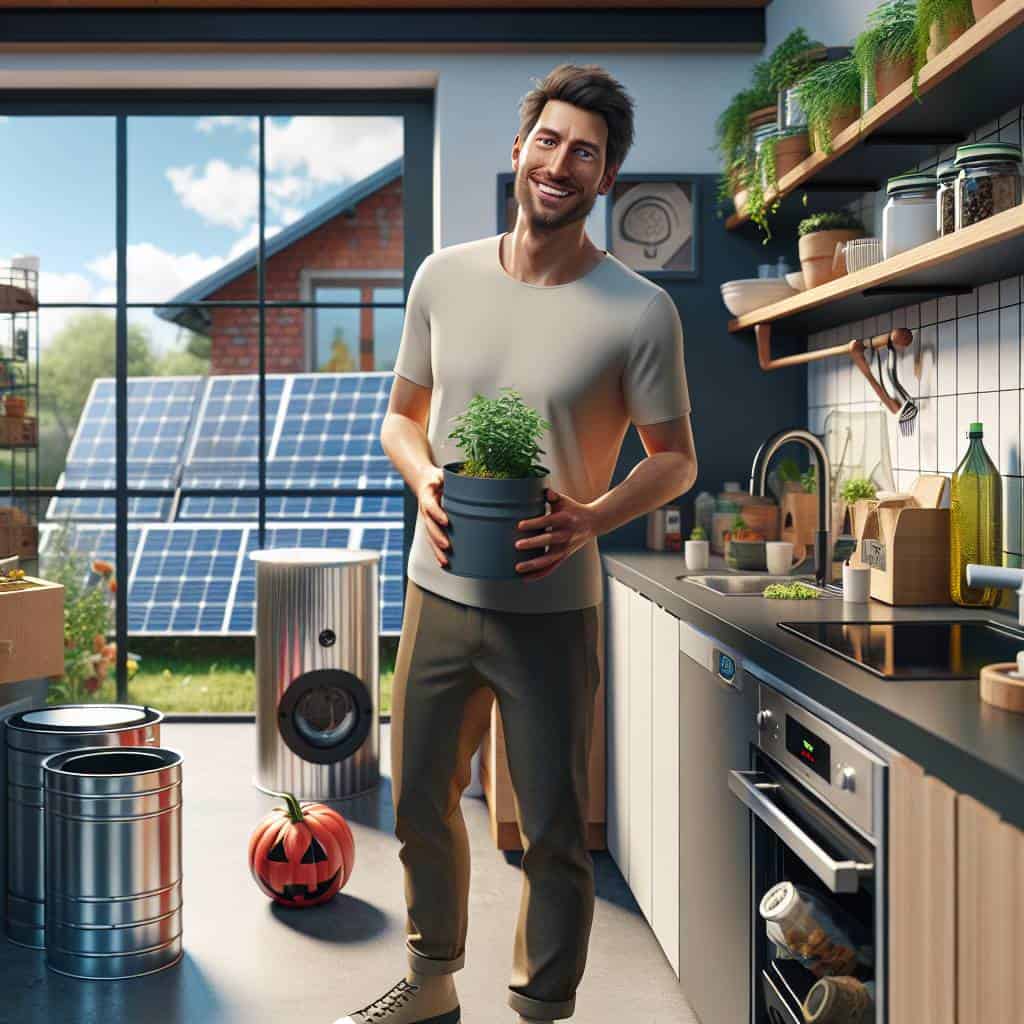
- I swapped out my energy-sucking lightbulbs for LEDs, not because I’m a saint, but because I’m tired of the electric company robbing me blind.
- Let’s not kid ourselves: the ‘I’ll start composting next week’ is a lie we’ve all told, but once I saw my trash shrink, it was oddly satisfying.
- Biking to the grocery store is my new therapy, and if it means fewer impromptu snack runs, my waistline thanks me too.
- Buying local is my secret weapon; it feels rebellious to snub big chain stores and indulge in farm-fresh eggs that actually taste like something.
- I’ve learned that real conservation starts with questioning if I actually need that third pair of sneakers—spoiler alert, I don’t.
How I Stopped Pretending and Actually Reduced My Carbon Footprint
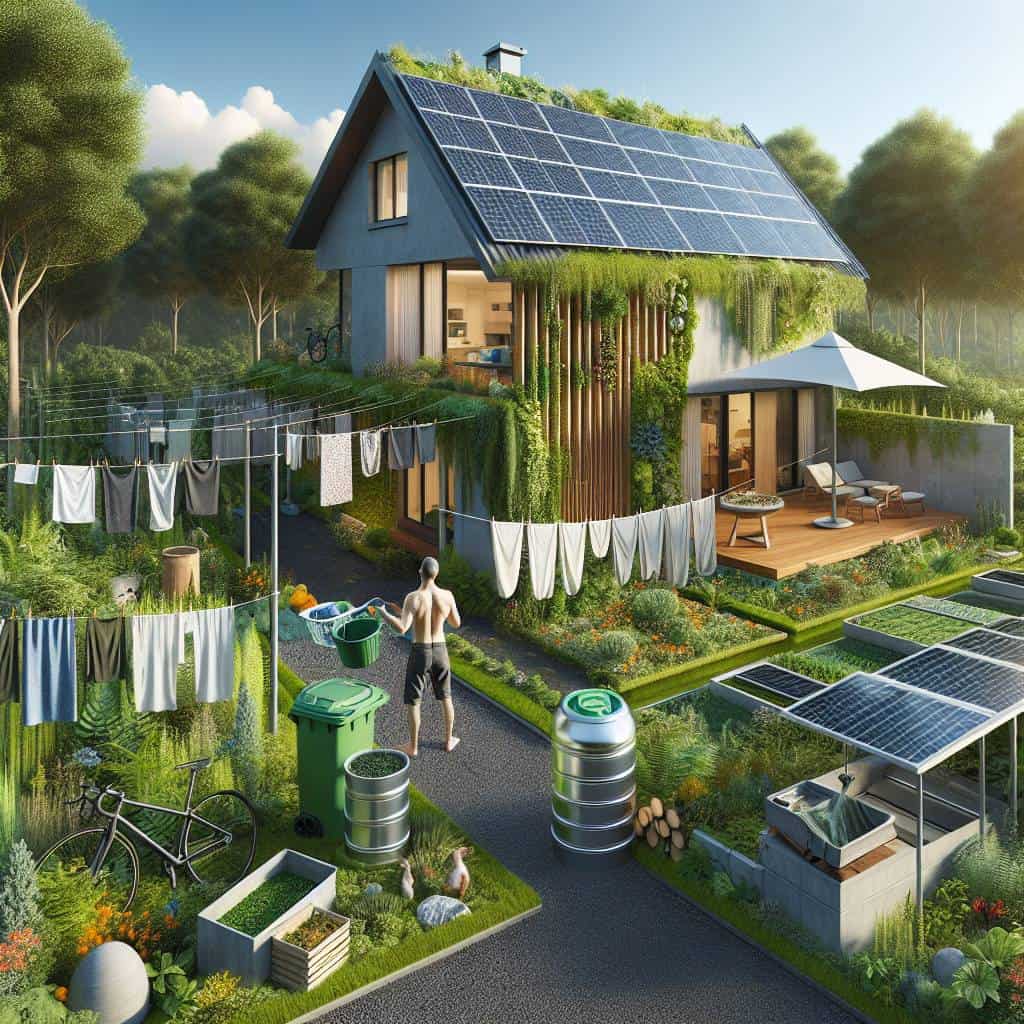
Energy is the currency of convenience, but guess what? You can save both money and the planet by being a little less lazy. Start with swapping those energy-guzzling bulbs for LEDs—it’s not rocket science, just common sense.
Waste isn’t just what you chuck in the bin. It’s the mindless buying, the forgotten leftovers in the fridge. Conscious shopping isn’t a trend; it’s the way forward. Buy less, waste less. Simple math.
Transport—everyone’s favorite topic these days. And no, you don’t have to go full-on bike enthusiast. Just rethink the Sunday drive. Maybe walk to that local café instead of driving. Your waistline and the Earth will thank you.
When Convenience Isn’t King
Real change starts when we stop treating sustainability like a weekend hobby and start asking ourselves if we really need to drive that gas-guzzler to the corner store.
The Suburban Skeptic’s Guide to Shrinking Your Carbon Footprint
Is it really worth the effort to reduce energy consumption at home?
I get it, flipping the switch to off seems like a drop in the ocean when the world’s on fire. But here’s the thing—it’s not just about saving the planet. It’s about saving your wallet too. And maybe, just maybe, it’s about proving to yourself that you can resist the suburban siren call of excess. Turn off those lights; your future self might just thank you.
Can changing my diet actually make a difference?
Look, I’m not telling you to go full kale on me. But cutting down on meat? That’s like a double espresso shot for the planet. Less water, less gas, less guilt. And let’s be honest—you’ll probably feel a bit better when you’re not weighed down by a steak-induced food coma.
How do I make sustainable shopping choices without losing my mind?
Ah, the consumer conundrum. Here’s a radical thought: buy less. But when you do shop, think like a detective. Is that shirt made to last or destined for landfill limbo? And if you can, support the local heroes over the big-box behemoths. Your closet, and conscience, will breathe easier.
The Real Cost of Conscious Living
In this grand charade of modern living, I’ve learned that reducing my carbon footprint isn’t about grand gestures or wearing hemp shirts like some eco-warrior badge of honor. It’s about those small, often inconvenient choices that feel a bit like trying to drive a car with square wheels. Every time I choose to bike instead of drive, or lug my reusable bags to the grocery store, it’s a reminder that sustainable living is less about saving the planet and more about saving my conscience from the abyss of apathy.
The truth is, conscious living doesn’t fit neatly into the Instagrammable narrative of leafy greens and solar panels. It’s messy, imperfect, and sometimes annoyingly hypocritical. But each action, no matter how small, is a defiance against the suburban sprawl’s insistence on mediocrity. It’s a way to reclaim some semblance of control over the chaos. And maybe, just maybe, it’s a step toward becoming the kind of person who doesn’t just talk about change but actually embodies it, despite the occasional indulgence in a plastic-wrapped convenience.