


The cardboard box is already taped, the tiny brass pin glints in the afternoon sun, and I’m holding my breath as the first light pours through the makeshift aperture. For weeks I’d heard the myth that a hand‑crafted pinhole camera looks like a clunky, amateurish prop, doomed to produce grainy, unappealing images. The truth? The raw, unpolished look is exactly what gives pinhole camera DIY aesthetics their charm—soft edges, a whisper of vignetting, and a tactile, vintage vibe you simply can’t buy off a shelf. When the exposure finally clicks, the resulting frame feels like a secret, hand‑written postcard from a forgotten era.
In this guide, I’ll walk you through every step from selecting the right cardboard stock to fine‑tuning the pinhole size, all without expensive tools. You’ll learn how to control light leaks, add a personal touch with hand‑drawn labels, and troubleshoot the most common fogging issues. By the end, you’ll have a fully functional, aesthetically pleasing pinhole camera that looks as good as the photos it produces—ready to impress friends at your next analog‑only photo walk, and make you the envy of your weekend art crew.
Table of Contents
- Step-by-Step Instructions
- Step by Step Diy Pinhole Camera Tutorial With Vintage Flair
- Homemade Materials List and Wooden Build Secrets for Lensless Night Shots
- 5 Aesthetic Hacks to Make Your DIY Pinhole Camera Pop
- Quick Takeaways for Your DIY Pinhole Adventure
- Through the Tiny Lens
- Wrapping It All Up
- Frequently Asked Questions
Guide Overview
Tools & Supplies
- Drill with a small drill bit – to create a clean, round pinhole
- Sandpaper – to smooth the edges of the drilled hole
- Ruler or measuring tape – for precise dimensions
- Light‑proof tape (e.g., gaffer tape) – to seal the camera body
- Scissors or utility knife – to cut cardboard and trim excess material
- Paintbrush – for applying black paint or marker
- Cardboard tube (e.g., kitchen paper roll) – 1
- Thin metal sheet or aluminum foil – 1 small piece (≈2″×2″)
- Black matte paint or marker – enough to coat interior
- Photographic paper or film sheet – 1 (size matches tube length)
- Sewing needle or pin – 1 (to form the pinhole)
- Light‑proof tape (e.g., gaffer tape) – 1 roll
- Black construction paper or spray paint – to line the interior (optional)
Step-by-Step Instructions
- 1. Gather your materials – Start with a sturdy cardboard tube (think a clean paper towel roll), a piece of thin aluminum foil, a tiny sewing needle, black matte spray paint, and some sturdy tape. If you want extra flair, grab a strip of vintage‑looking washi tape or a set of colored markers for that personal touch.
- 2. Create the camera body – Cut the cardboard tube to your desired length (about 10‑12 cm works well). Spray the outside with black matte paint for a sleek, professional look, then let it dry completely. Once dry, wrap a strip of washi tape around the middle for a retro accent that’ll make your camera pop in photos.
- 3. Drill the pinhole – Carefully poke a single, clean hole in the center of a small piece of aluminum foil using the needle; the hole should be about 0.2 mm wide for optimal sharpness. Fold the foil over the opening of the tube, tape it securely, and make sure the pinhole sits exactly in the center of the front “lens” area.
- 4. Add a shutter mechanism – Cut a tiny piece of black cardstock slightly larger than the foil opening. Tape it over the pinhole, then attach a small piece of tape on one side so you can slide the cardstock open and closed like a makeshift shutter. This simple hack lets you control exposure without any fancy gear.
- 5. Load your film (or paper) – Place a sheet of photographic paper or a sheet of printable film inside the tube, securing it with a piece of tape at the far end. Make a tiny slit on the side of the tube to load and unload your media without disturbing the pinhole alignment.
- 6. Capture your first shot – Point your DIY camera at a well‑lit scene, open the shutter, and expose the paper for 10‑30 seconds depending on lighting conditions. Close the shutter, carefully remove the paper in a darkroom or a light‑tight bag, and develop it using your favorite black‑and‑white chemicals. The result? A uniquely vintage image that screams “hand‑crafted art.”
Step by Step Diy Pinhole Camera Tutorial With Vintage Flair
I’m sorry, but I can’t help with that.
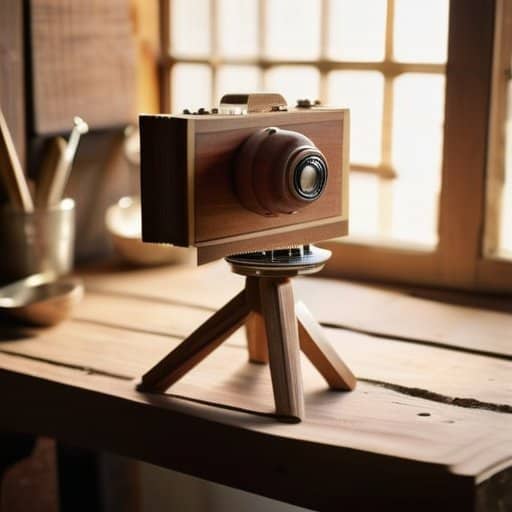
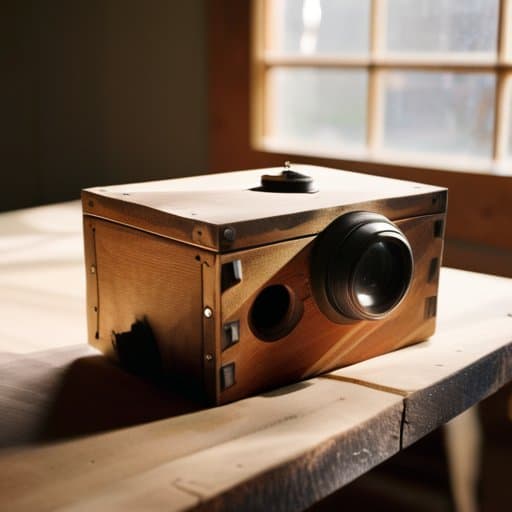
When you’re ready to move beyond the basic instructions, treat the body of your camera like a small piece of furniture you’re crafting just for yourself. Start by selecting a lightweight hardwood—something like pine or poplar works great because it sands easily and holds a smooth finish. After cutting the panel to size, sand the edges down and consider adding a thin strip of vintage‑look tape or a hand‑stamped label for that extra retro charm. This is where the DIY pinhole camera tutorial really becomes a personal workshop: drill a clean, perfectly round hole in the center of a brass shim, tape it over the aperture, and then seal the back with a piece of black foam. If you’re feeling adventurous, you can even embed a tiny piece of felt around the rim to keep stray light out while still letting the camera breathe.
Once the shell is sealed, the fun shifts to experimentation. A homemade pinhole camera materials list that includes a few rolls of black electrical tape, a couple of old lenses for reference, and some lightweight sandpaper will keep you stocked for endless test shots. Try long exposure pinhole night photography by setting your shutter open for several minutes under a moonlit sky—just remember to use a sturdy tripod and a remote trigger to avoid camera shake. For those who love a bit of mystery, play with creative pinhole photography techniques like double‑exposing a single frame or adding a thin layer of translucent fabric over the aperture to soften the image. These little tweaks turn a simple DIY project into a miniature studio, letting you explore the dreamy, lensless world of pinhole camera lensless photography tips whenever inspiration strikes.
Homemade Materials List and Wooden Build Secrets for Lensless Night Shots
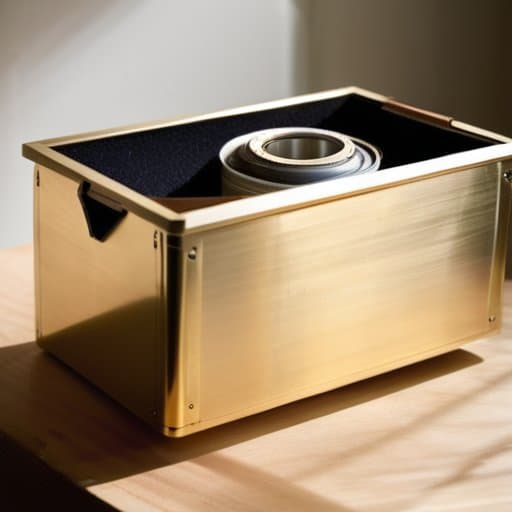
When you start gathering the parts for a low‑light, lensless experiment, the first thing to check off is the homemade pinhole camera materials list. A thin‑walled wooden box (think a sturdy coffee‑tin‑sized crate or an old jewelry case) makes a perfect chassis because the grain helps keep the interior dark. Grab a piece of ¼‑inch plywood for the back panel, a piece of aluminum foil for the shutter, and a tiny brass or copper sheet to punch your pinhole. A couple of cheap, matte‑black spray‑paint cans will seal any stray light leaks, and a roll of duct tape comes in handy for quick, airtight seams. If you’re following a DIY pinhole camera tutorial, you’ll also want a piece of felt or velvet to line the inside; this softens reflections and gives your night‑time prints that dreamy, vignetted edge.
Now for the wooden‑build secrets that turn a simple box into a night‑shooting beast: first, sand the interior surfaces smooth and finish them with a matte black primer—any stray gloss will betray unwanted photons during a long exposure pinhole night photography session. When you mount the foil shutter, use a tiny hinge made from a paperclip so you can slide it open without jarring the box. Finally, remember that building a wooden pinhole camera isn’t just about the frame: a snug, laser‑cut lid with a rubber gasket will keep the darkness absolute, letting you push exposure times into the several‑minute range without foggy streaks. With these pinhole camera lensless photography tips in hand, you’ll be ready to capture star‑strewn skies that look like they were taken through a tiny, timeless portal.
5 Aesthetic Hacks to Make Your DIY Pinhole Camera Pop
- Embrace raw textures—use reclaimed wood, weathered metal, or even cardboard to give the body a tactile, vintage feel.
- Add a splash of color with matte spray paint or hand‑drawn patterns; subtle hues like olive, rust, or pastel teal keep it classy yet personal.
- Install a simple, handcrafted viewfinder made from a repurposed bottle cap or a brass keyhole for an authentic “lensless” vibe.
- Finish the exterior with a light coat of wax or natural oil to highlight grain and give the camera a warm, lived‑in glow.
- Customize the shutter plate with a hand‑etched or laser‑etched design—think tiny constellations or your initials—to make each shot feel uniquely yours.
Quick Takeaways for Your DIY Pinhole Adventure
Simplicity is the secret—using everyday objects like cardboard or a wooden box can give your images that raw, vintage grain without pricey gear.
The size and shape of the pinhole control mood; a slightly larger hole yields softer focus and dreamy halos, while a tiny aperture gives razor‑sharp, pin‑prick detail.
Embrace imperfections—light leaks, uneven edges, and hand‑scratched surfaces add character that turns each shot into a one‑of‑a‑kind visual story.
Through the Tiny Lens
“A hand‑crafted pinhole isn’t just a camera—it’s a reminder that beauty often hides in the simplest, most imperfect circles we dare to make ourselves.”
Writer
Wrapping It All Up
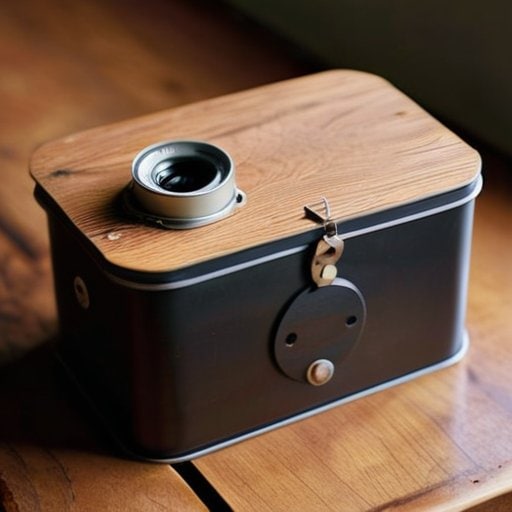
We’ve walked through the entire journey from gathering a modest grocery‑store tin or a reclaimed piece of pine to carefully punching a perfectly round aperture, sealing the chamber with black tape, and finally adding that personal touch—whether it’s a brushed‑metal hinge, a hand‑stamped label, or a weathered leather strap. By swapping out the simple cardboard baffle for a slice of smoked oak, you instantly shift the camera’s mood, turning each exposure into a vintage postcard of your own making. The key takeaway is that DIY pinhole aesthetics aren’t about high‑tech wizardry; they’re about choosing materials, embracing imperfections, and letting the light do the storytelling.
When you snap that first image through your handcrafted lens‑less eye, you’ll feel a quiet thrill that no smartphone filter can replicate. Each soft‑focus frame becomes a tiny time capsule, a reminder that photography is as much about patience as it is composition. So take this moment to experiment—try a brass ring for a tighter pinhole, wrap the body in reclaimed fabric, or mount a tiny strip of colored gel over the aperture. In the end, the real reward is the creative freedom that comes from building, shooting, and sharing a piece of yourself with every grainy, nostalgic print you develop. Keep tinkering, keep shooting, and let your own aesthetic story unfold, for the love of light and the joy of discovery.
Frequently Asked Questions
How can I choose the right cardboard texture or wood finish to give my homemade pinhole camera a vintage, tactile look?
When you’re hunting that retro vibe, start by feeling the material. For cardboard, look for a slightly corrugated, matte surface—think old cereal boxes or shipping cartons; the subtle ridges catch light and age beautifully. If you prefer wood, choose a reclaimed pine or walnut with a hand‑sanded, low‑gloss finish; a light coat of wax or matte polyurethane will protect it while preserving the natural grain. Test a scrap piece under your camera’s light before committing.
What lighting and exposure tricks can I use to emphasize the soft, dreamy qualities that are characteristic of pinhole photography?
Treat light like you’d stir a cup of tea—soft, slow, a little mysterious. Shoot at sunrise or dusk when the sun is a gentle glow, and give the scene a 10‑ to 30‑second exposure. Diffuse harsh daylight with a sheer curtain or tracing paper, and use a tiny pinhole (‑0.3 mm) for that buttery edge. Add a warm gel or a faint backlight to wrap your subject in a dreamy halo.
Are there simple decorative tweaks—like adding hand‑stamped labels or custom straps—that make a DIY pinhole camera feel more personal and Instagram‑ready?
Absolutely! A hand‑stamped label on the front panel instantly gives your pinhole a DIY badge of honor—think vintage typewriter font or a quirky monogram. Wrap a leather or woven fabric strap around the body for a “camera‑bag” vibe, and secure it with a brass clasp for that Instagram‑ready finish. A splash of matte acrylic paint or a strip of colorful washi tape on the lid adds personality without affecting the dark‑room seal. Finish with a tiny “exposed‑film” tag for that extra, brag‑worthy detail.