


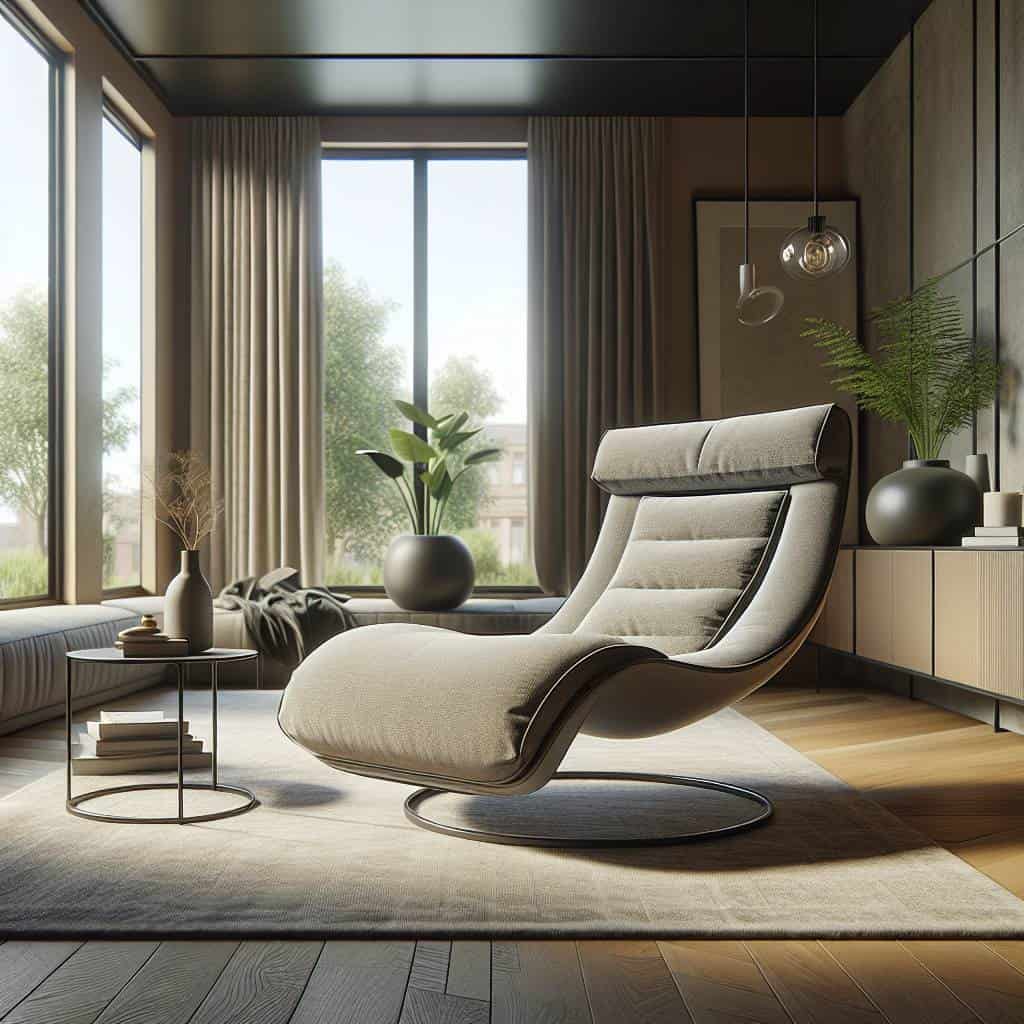
I once bought a chair that looked like it belonged in a modern art museum. Sleek, stylish, and utterly useless. Sitting on it felt like perching on the edge of a cliff, teetering between form and function. That chair was a masterpiece of bad design—a reminder that beauty without purpose is just another way to torture your lower back. You see, I’ve learned the hard way that good design isn’t just about what makes you go “ooh” and “ahh.” It’s about what keeps you from wincing every time you try to use it.
Now, let’s take that lesson and run with it. In this article, I’m diving headfirst into the real principles of good design. We’re talking about the stuff that makes the difference between a website that hooks you in and a storefront that sends you running for the hills. It matters, folks. For businesses, it’s the line between thriving and just surviving. We’ll unravel why aesthetics can’t be divorced from functionality and how user experience isn’t just a buzzword for techies. It’s the real deal, and I’m here to break it down without the fluff. Buckle up, because we’re about to get real with design.
Table of Contents
Why My First Startup Logo Looked Like a Bad Tattoo
There I was, a bright-eyed entrepreneur with a heart full of ambition and a head full of… well, not much else. Like every other newbie in the startup game, I thought the first step to success was slapping together a logo that screamed “I’m serious business, folks!” Little did I know, my masterpiece was more “haphazard henna” than “timeless tattoo.” I was so wrapped up in the aesthetics, I forgot that a logo isn’t just a pretty picture—it’s the first handshake, the first impression. And trust me, when your logo looks like a bad ink job, it’s a real conversation starter—but for all the wrong reasons.
I’ll spare you the gory details of my design disaster, but let’s just say it involved clip art and some questionable color choices. It taught me the hard way that design is not just about what looks good; it’s about what feels good. It’s about creating an experience, a vibe, a story that makes people want to stick around. I learned that good design isn’t just a visual treat; it’s the unspoken promise of professionalism and credibility. Without it, your brand’s like a poorly drawn tattoo—forgettable, regrettable, and sometimes downright embarrassing.
So here’s my advice: if you’re starting a business, don’t skimp on design. It’s your silent ambassador, your unsung hero. Get it right, and you’ll have customers lining up at your door. Get it wrong, and you might as well have “amateur hour” inked across your forehead.
Design: The Unseen Business Catalyst
Forget aesthetics alone—good design is the silent negotiator that turns a user’s fleeting glance into unwavering loyalty.
The Raw Truth Behind Design’s Power
Here’s the kicker: principles of good design aren’t just rules to follow. They’re a mindset. A battle cry against mediocrity. Think about it—every time I ignored the aesthetics, I paid the price. Users don’t just want a pretty interface; they want an experience that makes sense, that feels like it was crafted with them in mind. And that’s where the real magic happens. The art of blending form and function isn’t just about making things look nice. It’s about understanding the ‘why’, and letting that drive every decision.
In the end, good design is about respect. Respect for your business, your product, and most importantly, your users. Because when you nail that, you don’t just win a sale. You earn trust. And in today’s world, that’s the holy grail all of us are chasing. So, consider this my manifesto: design with intention, question the status quo, and above all, never settle for anything less than extraordinary. Because you, my astute friends, deserve nothing short of that.