



Remember the first time you tried to learn video editing? I do. It felt like someone dropped me into a foreign country where the only language spoken was “tech jargon” and my translator was a glitchy old computer from the early 2000s. I sat there, staring at the screen, trying to figure out how to make a simple cut, while my brain screamed for mercy. It was like trying to wrestle a bear with one arm tied behind my back. But hey, at least I wasn’t alone. The internet is full of people who’ve also screamed at their monitors, wondering why their video looks like a potato filmed it.
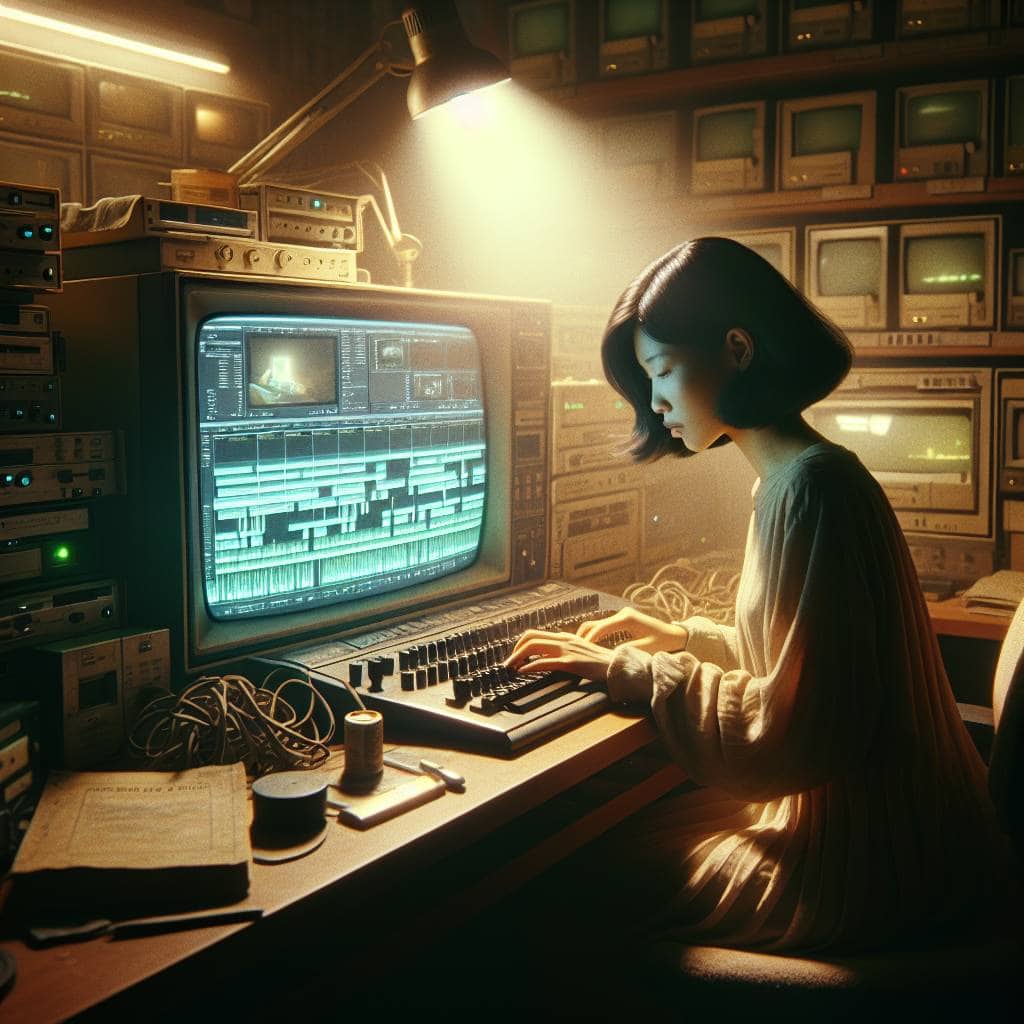
But here’s the thing—I eventually stopped screaming. And that’s where the magic happens. In this no-nonsense guide, I’m going to show you how to navigate the chaotic world of video editing without losing your sanity. We’ll dive into the nitty-gritty of the best software for beginners and the techniques that won’t have you pulling your hair out. No sugar-coating, no fluff—just the raw, honest truth about what it takes to turn those flaming crayons into a masterpiece. Ready to cut through the chaos? Let’s get started.
Table of Contents
From Zero to Jump Cuts: A Beginner’s Tale of Wrestling With Editing Software
When I first opened a video editing program, it felt like being handed the controls of a spaceship with no instructions. The interface was a labyrinth of timelines, tracks, and tools that mocked my every click. Let’s face it, learning video editing is like trying to paint the Mona Lisa with crayons, except the crayons are on fire. I was fresh out of the gates, thinking, “How hard could it be to cut a few clips together?” Spoiler alert: very. I spent hours staring at the screen, my mouse hovering over buttons that seemed to scream, “You don’t belong here!” But I was determined to go from zero to jump cuts, to transform my raw footage into something that didn’t look like a toddler had been let loose in a candy store.
The first hurdle was the software itself. Imagine trying to learn a new language, except every word is a technical term that sounds like it belongs in a sci-fi novel. I started with the basics—importing footage, dragging clips onto a timeline, and attempting my first jump cut. A jump cut, for the uninitiated, is a jarring leap forward in time that can make or break your video. But mastering it involves more than just knowing where to snip. It’s an art form that requires a delicate balance of timing and intuition. And just when you think you’ve nailed it, you realize you’ve only scratched the surface of what these editing behemoths can do. Color correction, audio mixing, transitions—each a steep hill on the mountain of video wizardry. Yet, wrestling with editing software, I learned to embrace the chaos. Every mistake was a lesson, every frustration a stepping stone. It was messy, it was maddening, but slowly, I stopped screaming at my computer and started crafting something real.
The Chaos of Creation
Learning video editing is like trying to tame a digital beast with nothing but a beginner’s guide and a pocketful of patience. The software may be unforgiving, but the techniques you uncover are pure gold.
Editing Epiphanies and the Art of Letting Go
In the end, video editing taught me more about patience and surrender than any self-help book ever could. I went in expecting a battle, and I got one alright—complete with the unpredictability of outdated software updates and the existential dread of watching a spinning wheel. But somewhere amidst the chaos, I learned the art of letting go. I stopped trying to wrestle perfection out of every pixel and started embracing the raw, unfiltered moments. Real creativity isn’t about flawless transitions or cinematic flair; it’s about the messy, human stuff in between.
So, if you’re tangled up in a web of timelines and shortcuts, know this: it’s okay to color outside the lines. Maybe your first project won’t win an Oscar, but it’ll be yours—complete with all the quirks and imperfections that make it unique. And that’s something no algorithm or template can replicate. Video editing isn’t just a skill; it’s a reflection of how you see the world. So grab those flaming crayons and start painting, because the only thing worse than a blank canvas is never daring to fill it.